A little cat wisdom.
A lot to discover.
Thoughtful guides for a closer bond with your cat. Small steps, clear answers, and plenty of room to go at their pace.
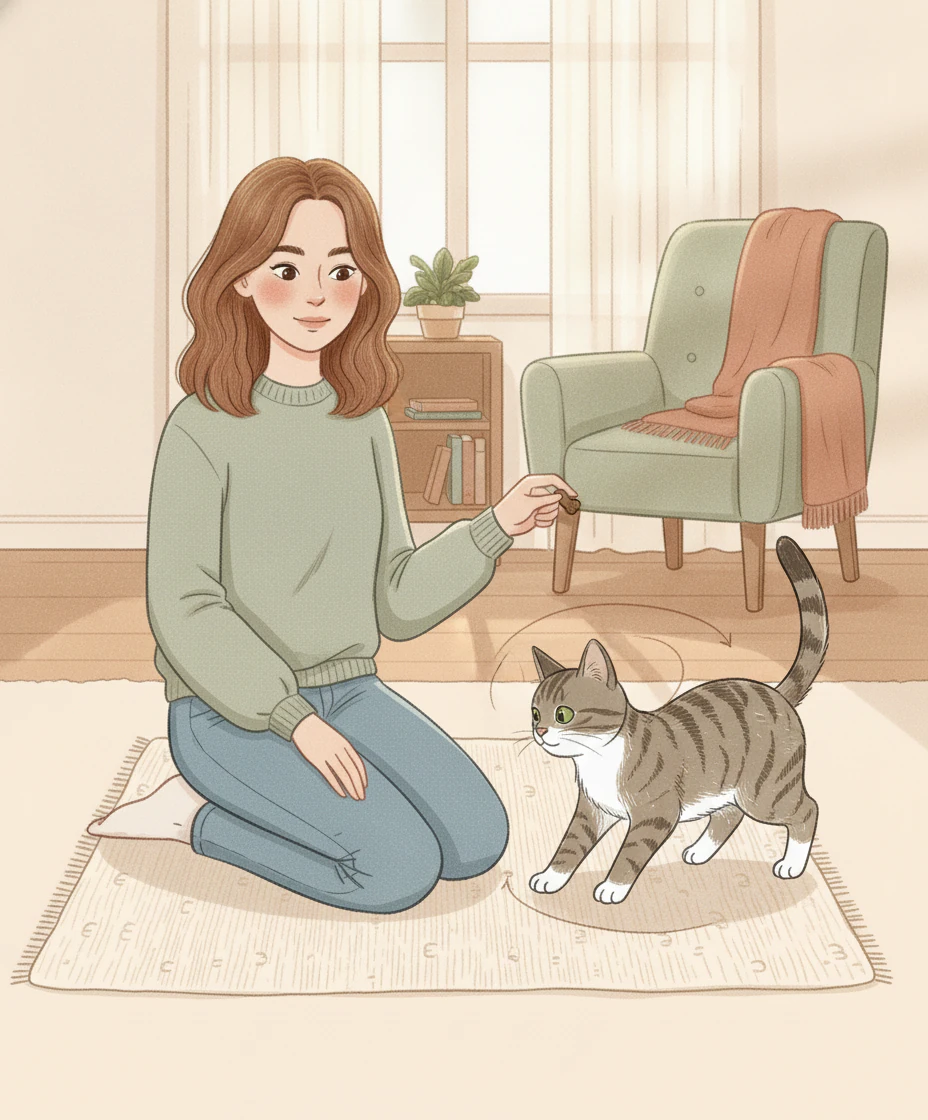
Tricks & life skills · 10 min read
How to teach your cat tricks: 10 easy tricks
Ten cat tricks ordered easiest first, with the four-step method behind all of them, honest timelines, two-minute sessions, and what to do when your cat walks off.
Read the guide
Everyday skills · 8 min read
How to teach your cat its name
Teach your cat their name in 3 to 4 weeks: five steps from name-means-treat to coming from another room, plus what to do when they ignore you.
Read the guide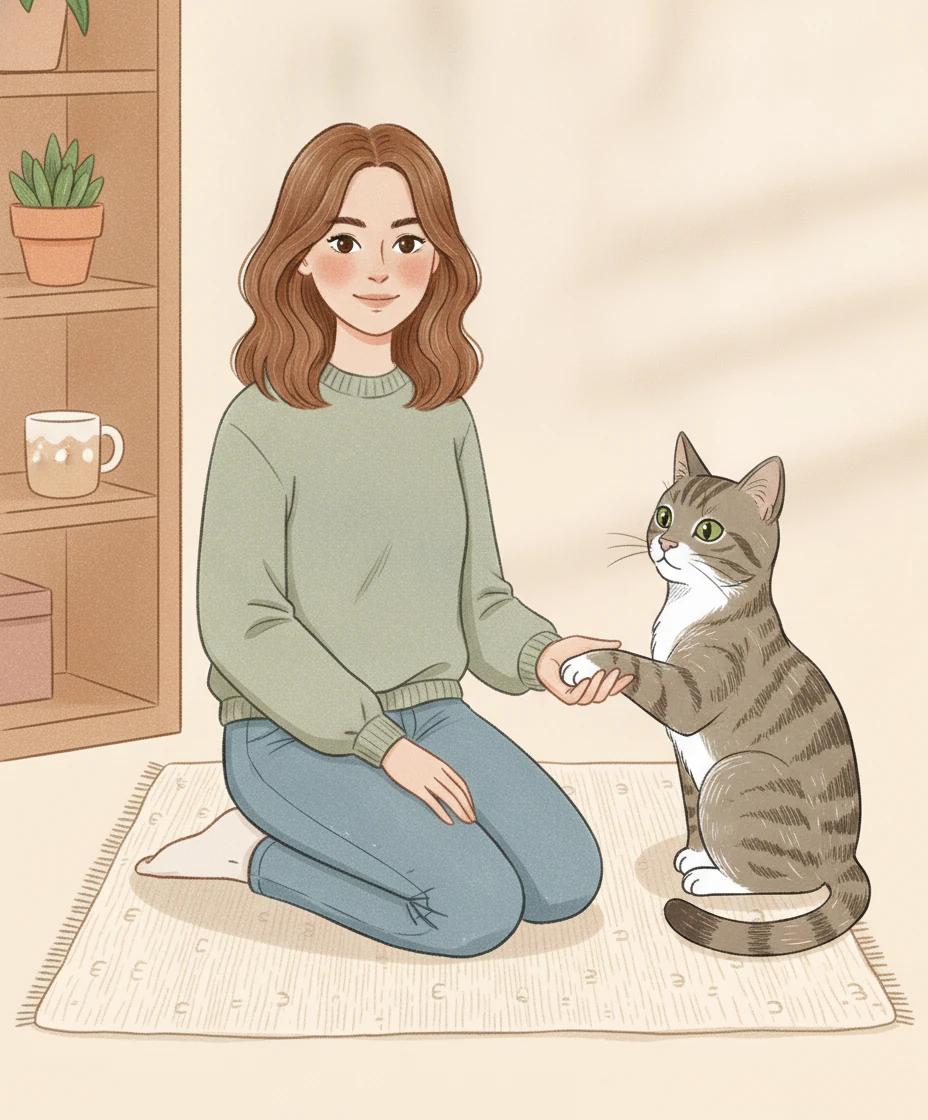
Tricks & life skills · 8 min read
How to teach your cat to shake hands
Teach your cat to shake hands in 2 to 4 weeks: five steps from paw lift to cue, two-minute sessions, what to do if they won’t, and why you never take the paw.
Read the guide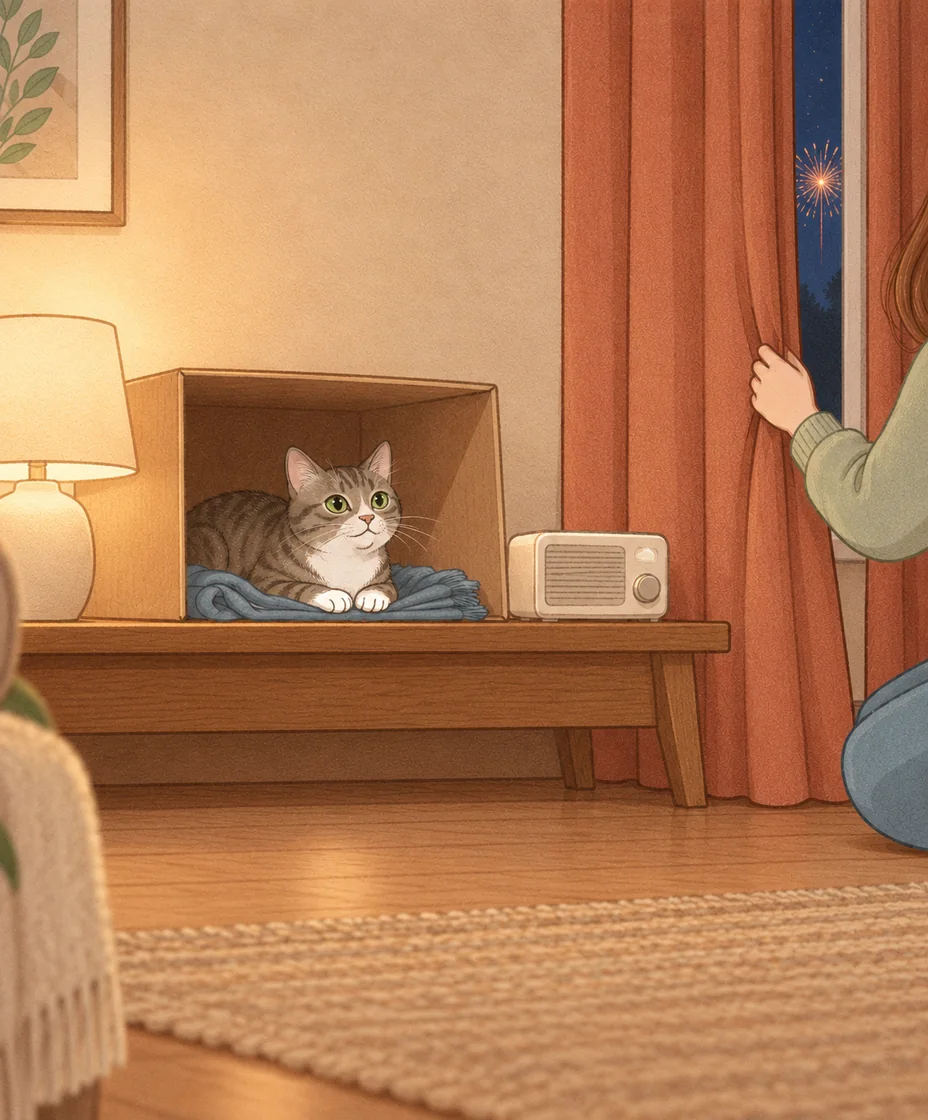
A happier home · 7 min read
How to calm a cat during fireworks
Keep your cat calm during fireworks: what to do before dark, what to do while the bangs last, how to spot fear, how long cats hide, and when to call a vet.
Read the guide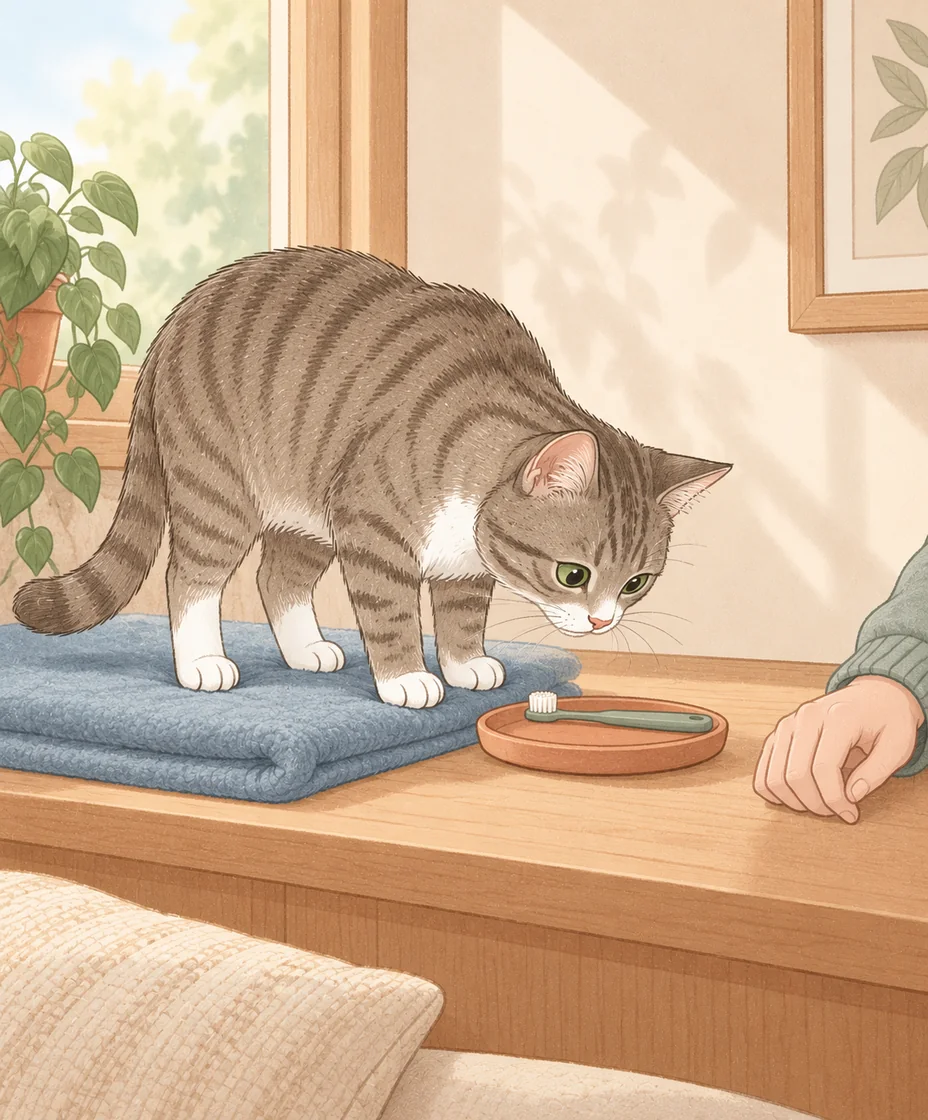
Calmer care · 4 min read
Cat won’t let you brush their teeth? Start before the brush
Separate toothbrush familiarity from mouth handling, keep a useful progress note, and make a dental-care plan with your vet while your cat learns.
Read the guide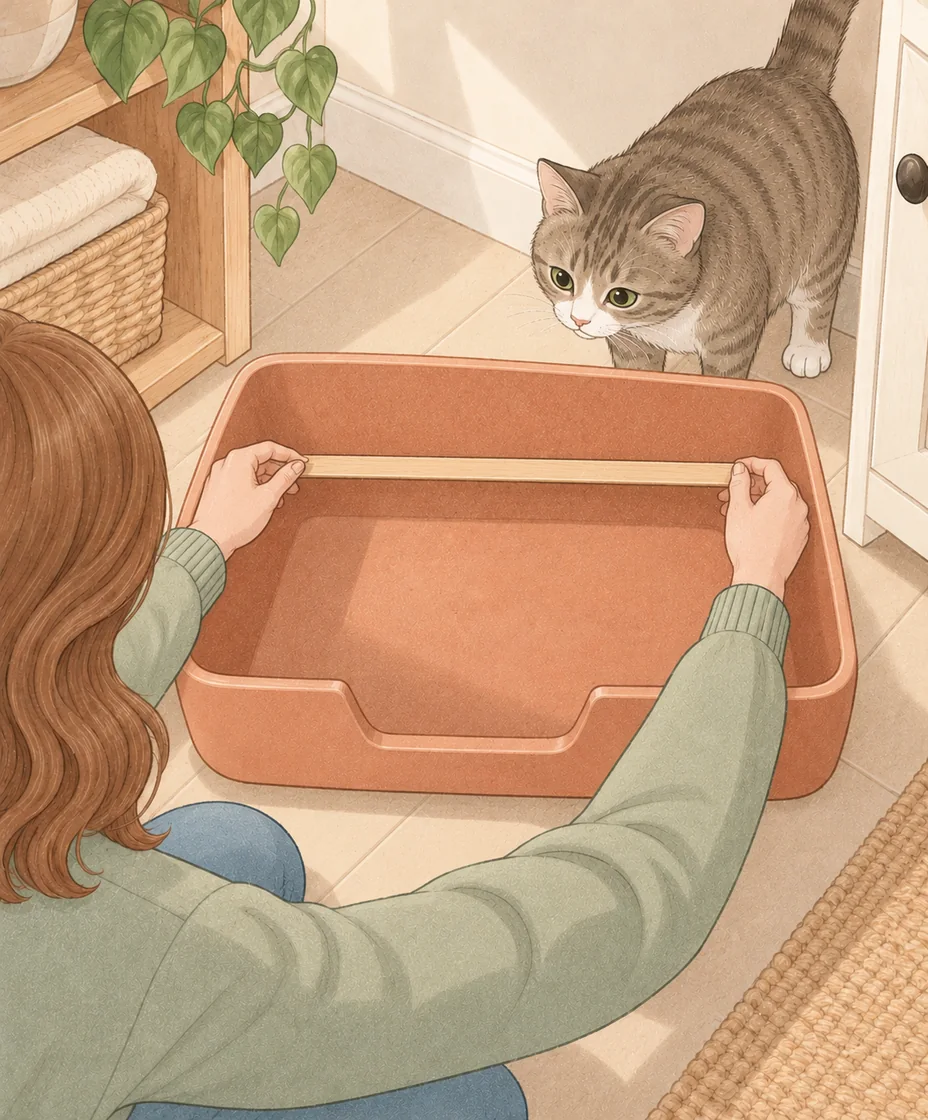
A happier home · 4 min read
Cat uses the litter box but poops over the edge?
Check litter-tray space, entrance height and what actually happens when a cat misses the edge. A practical fit checklist, research limits and signs that need a vet.
Read the guide
Everyday behavior · 4 min read
Cats eating each other’s food? Plan separate meals
Stop bowl swapping with a practical separate-meal setup. Protect a slow eater’s food, compare access options and handle different diets without relying on obedience.
Read the guide
Life together · 4 min read
Cat won’t sit on your lap? Make room for their choice
Help your cat feel comfortable near your lap without forcing a cuddle. Try a simple sofa setup and separate approaching, eating, settling and being touched.
Read the guide
Everyday behavior · 5 min read
Cat begging for food: a plan the whole household can follow
Handle persistent cat begging with a shared feeding record, suitable meal timing and a plan before people eat. Avoid food deprivation and recognize when veterinary help is needed.
Read the guide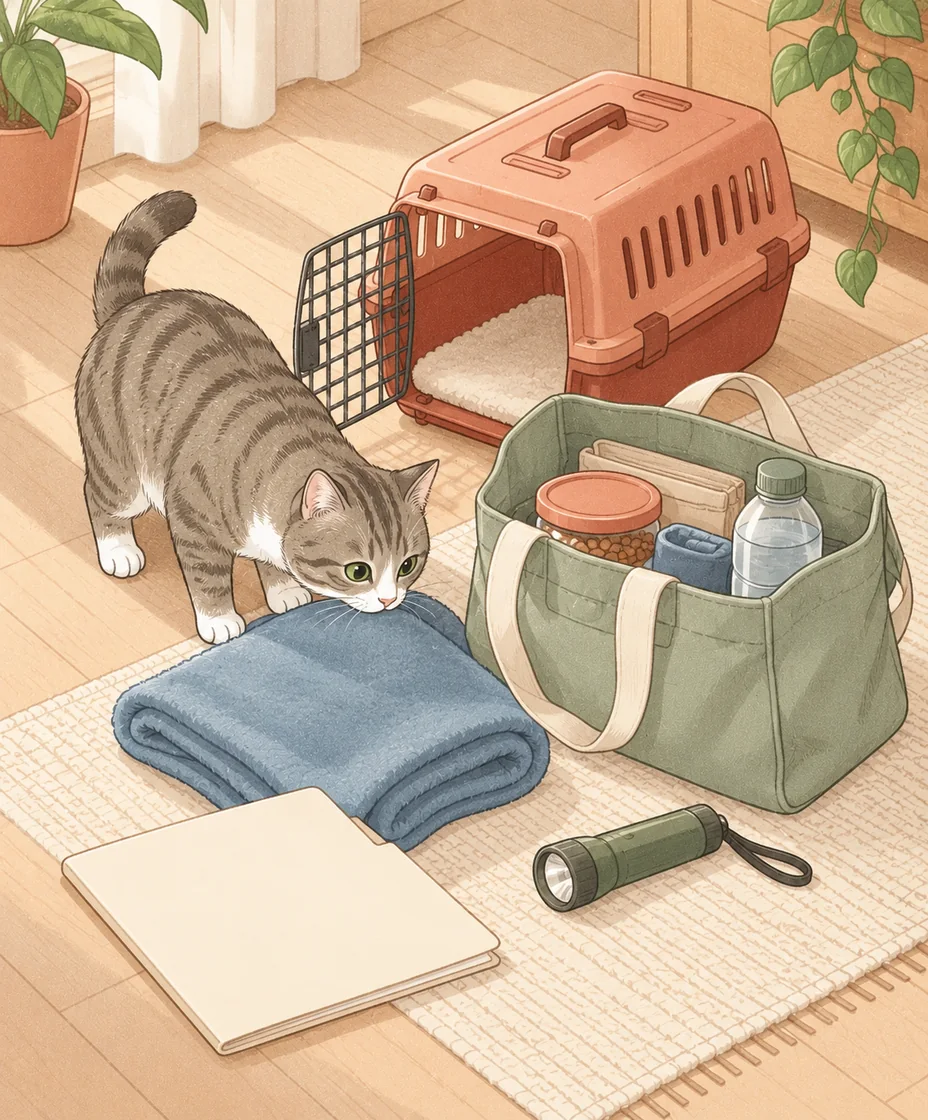
Calmer care · 5 min read
Emergency planning for cats: carriers, contacts and a go bag
Prepare a household emergency plan for your cat: accessible carriers, a go bag, backup care and a simple planning card. Understand the limits of fire-drill training.
Read the guide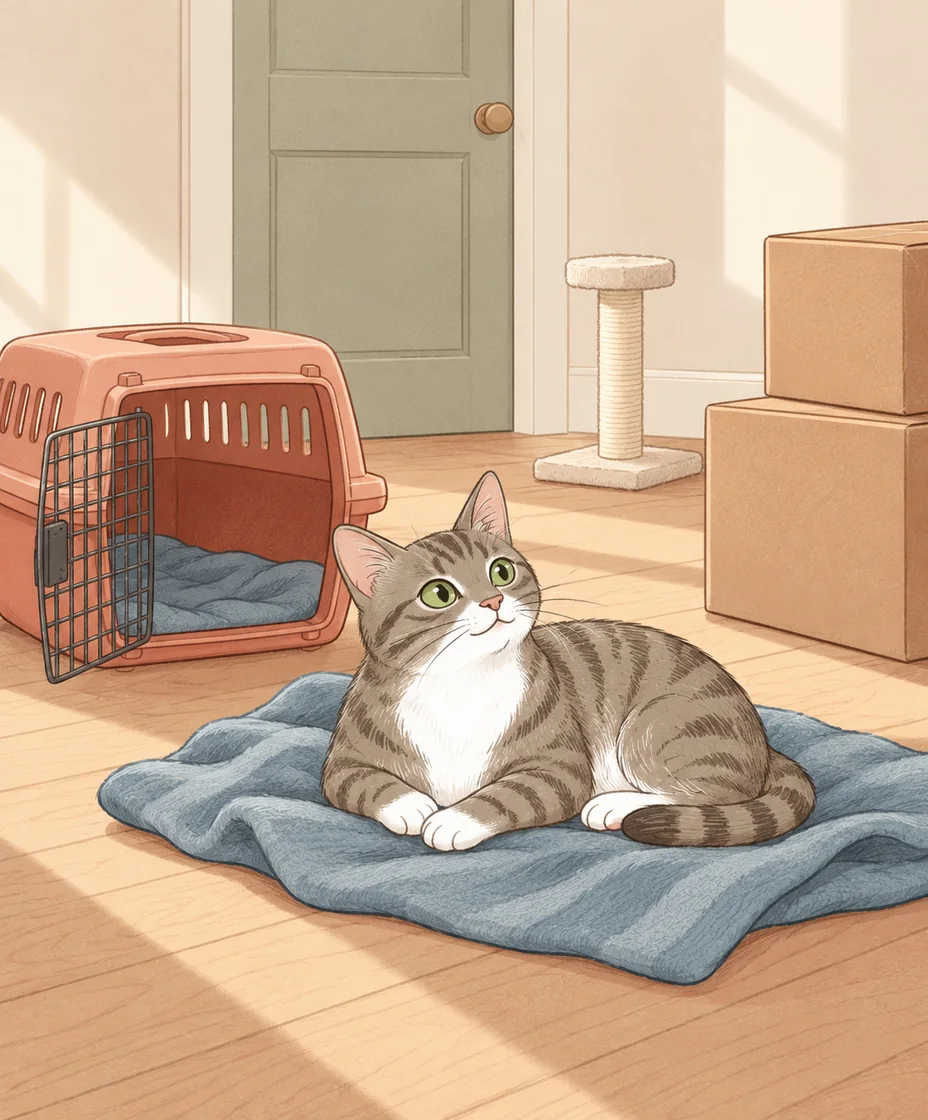
Calmer care · 5 min read
Moving house with a cat: a plan for moving day
Plan a cat’s house move from the old room to the carrier to the new room, with a practical handover checklist and advice for cats used to going outdoors.
Read the guide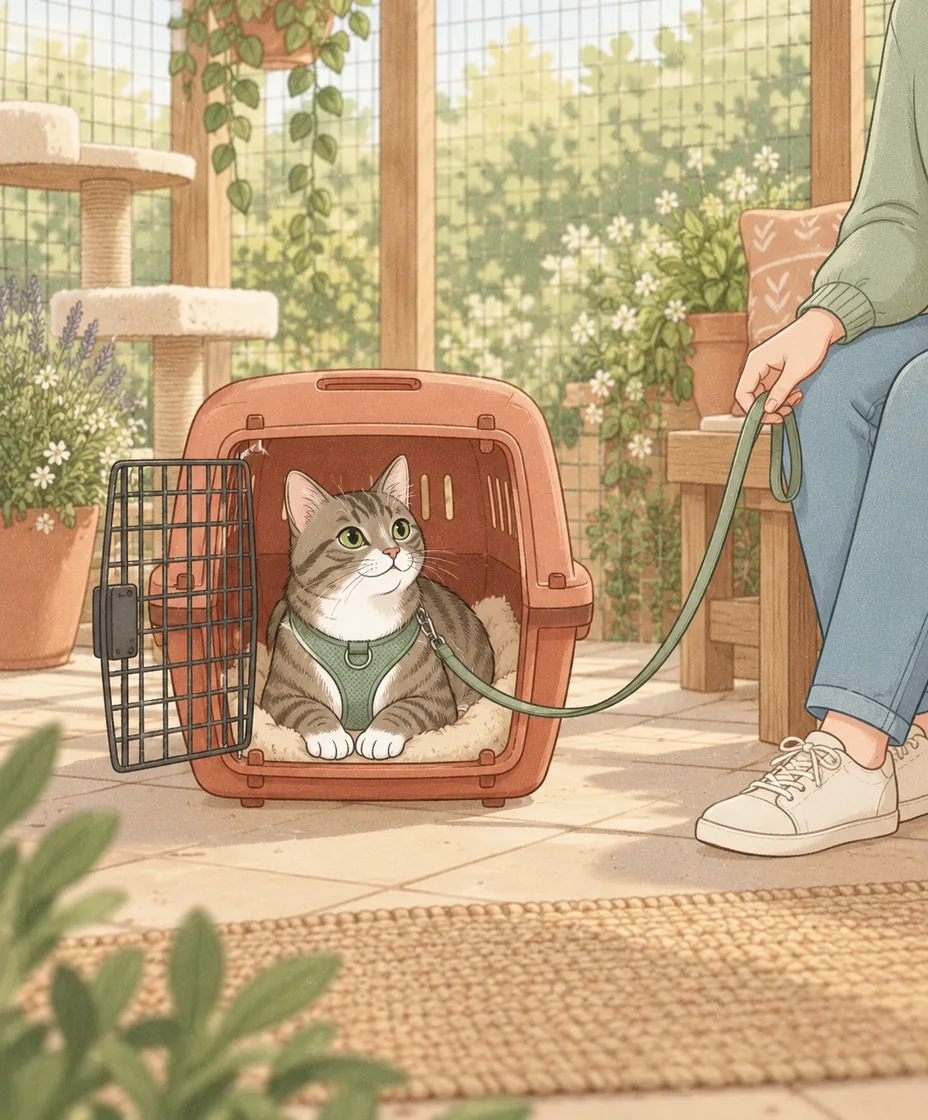
Little adventures · 5 min read
Cat scared outside on a harness? Make the outing easier
A cat comfortable in a harness indoors may still be frightened outside. Learn when to end an outing, what to change and when indoor enrichment is the better choice.
Read the guide
A happier home · 4 min read
How to keep your cat out of houseplants
A practical plan for cats chewing leaves, digging in soil or sleeping in plant pots: check plant safety, change access and offer a better place to spend time.
Read the guide
Calmer care · 5 min read
Cat dislikes being picked up? Start before the lift
Prepare your cat for necessary handling by separating touch, lifting, holding and movement. Build a comfortable starting point and know when to ask your vet.
Read the guide
A happier home · 5 min read
New cat hiding? Help them settle in without pressure
Help a newly adopted cat settle in with a quiet retreat, easy access to daily essentials and a simple record of eating, litter use and voluntary contact.
Read the guide
Better habits · 5 min read
Bringing an outdoor cat indoors: a household plan
Help an outdoor pet cat move to indoor living with a shared household plan, accessible litter trays, useful activities and a record of how they are coping.
Read the guide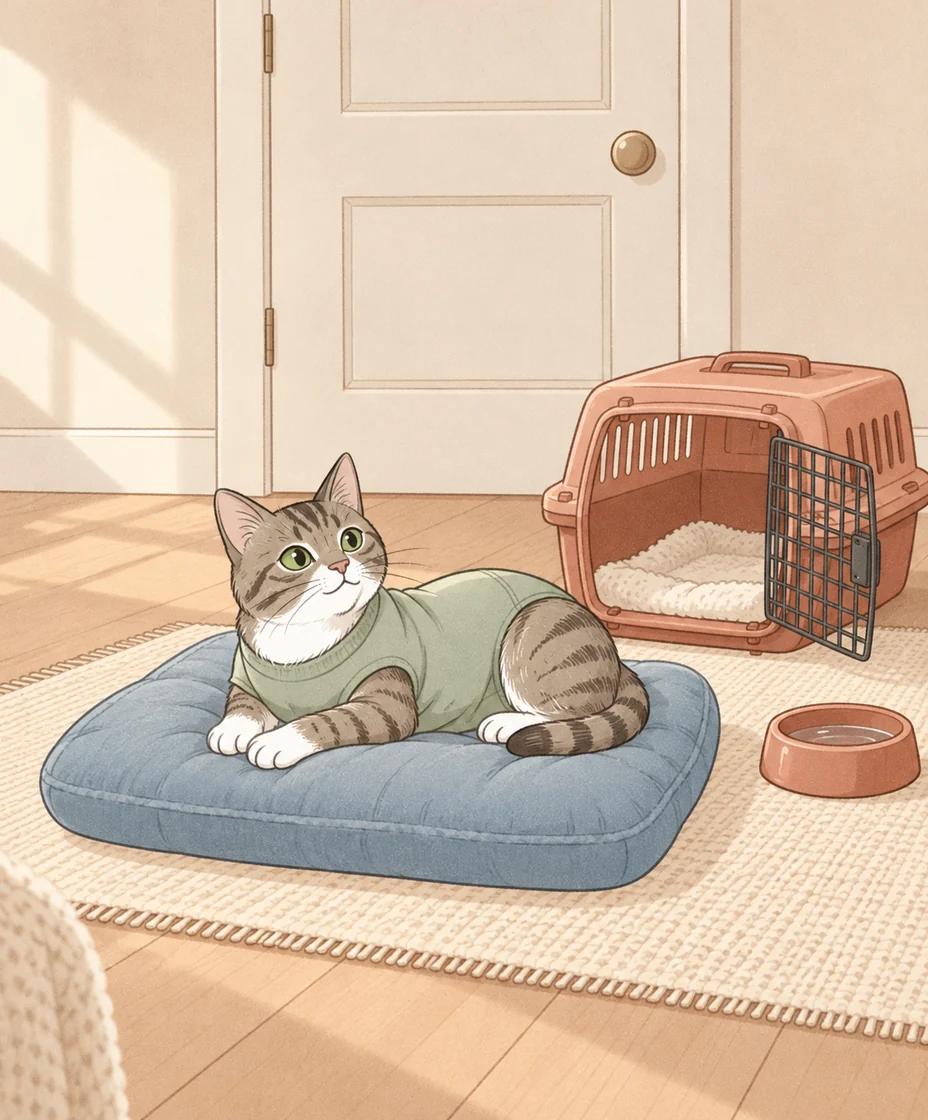
Calmer care · 4 min read
Cats hissing after a vet visit? Plan the homecoming
Cats suddenly hissing after one returns from the vet? Prepare a separate recovery space, keep prescribed protection in place and rebuild contact at their pace.
Read the guide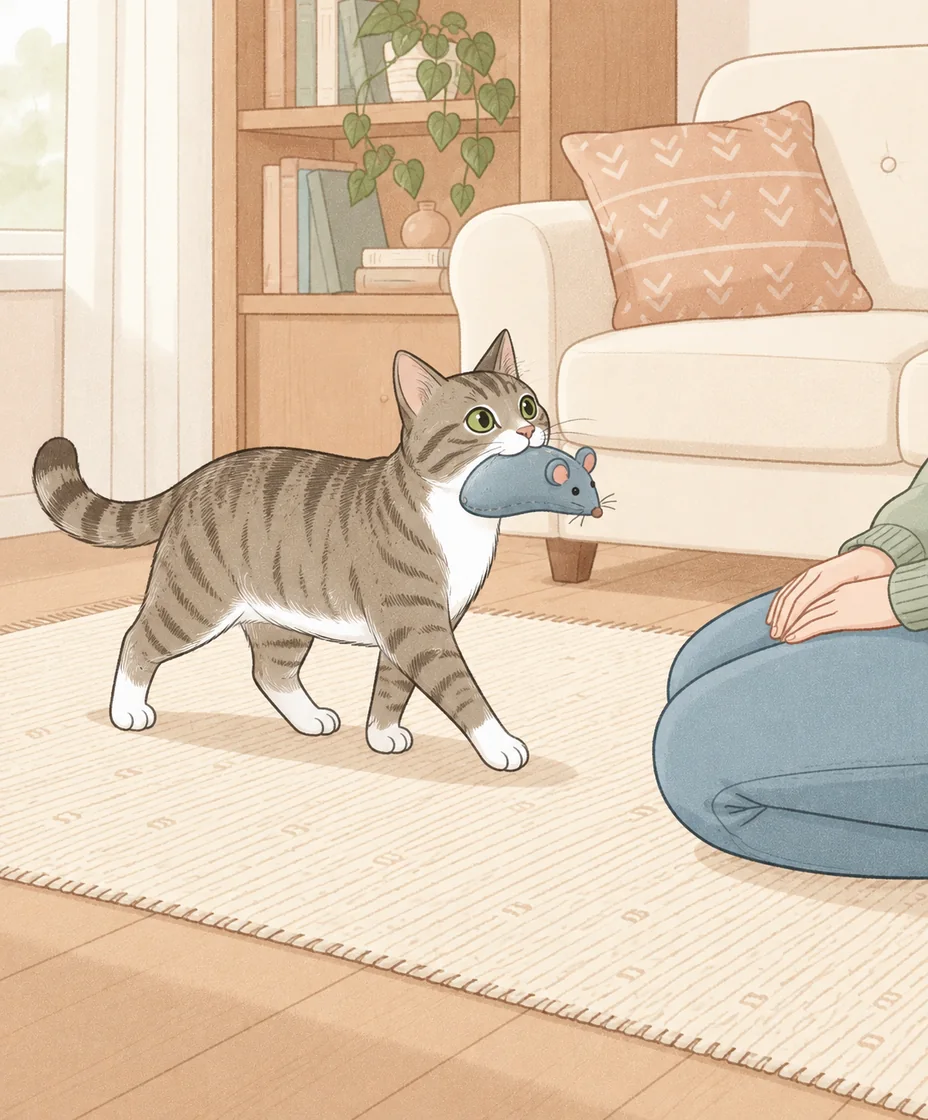
Little wins · 5 min read
Teach your cat to fetch: start with the return
Cat chases a toy but leaves it behind? Break fetch into picking up, carrying and returning. Practice nearby, reward a small step and keep the game voluntary.
Read the guide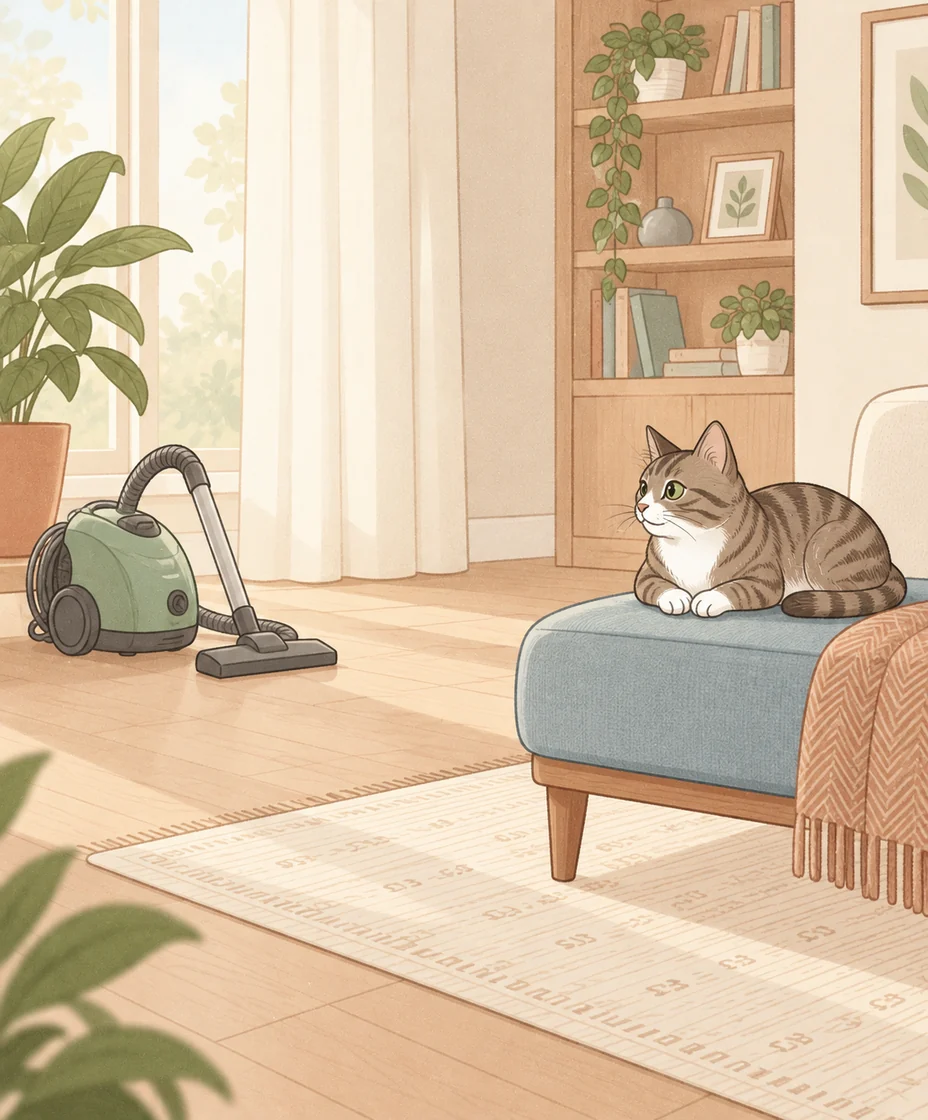
A happier home · 4 min read
Cat scared of the vacuum? Start with a cleaning plan
Give your cat a quiet retreat while you vacuum, then separate the machine’s sight, sound and movement in later practice. Learn when to stop and seek help.
Read the guide
A happier home · 4 min read
Are your cats playing or fighting? Look beyond the wrestle
Watch both cats, their pauses and what happens afterward. Learn which observations suggest mutual play, when to separate safely and when to seek help.
Read the guide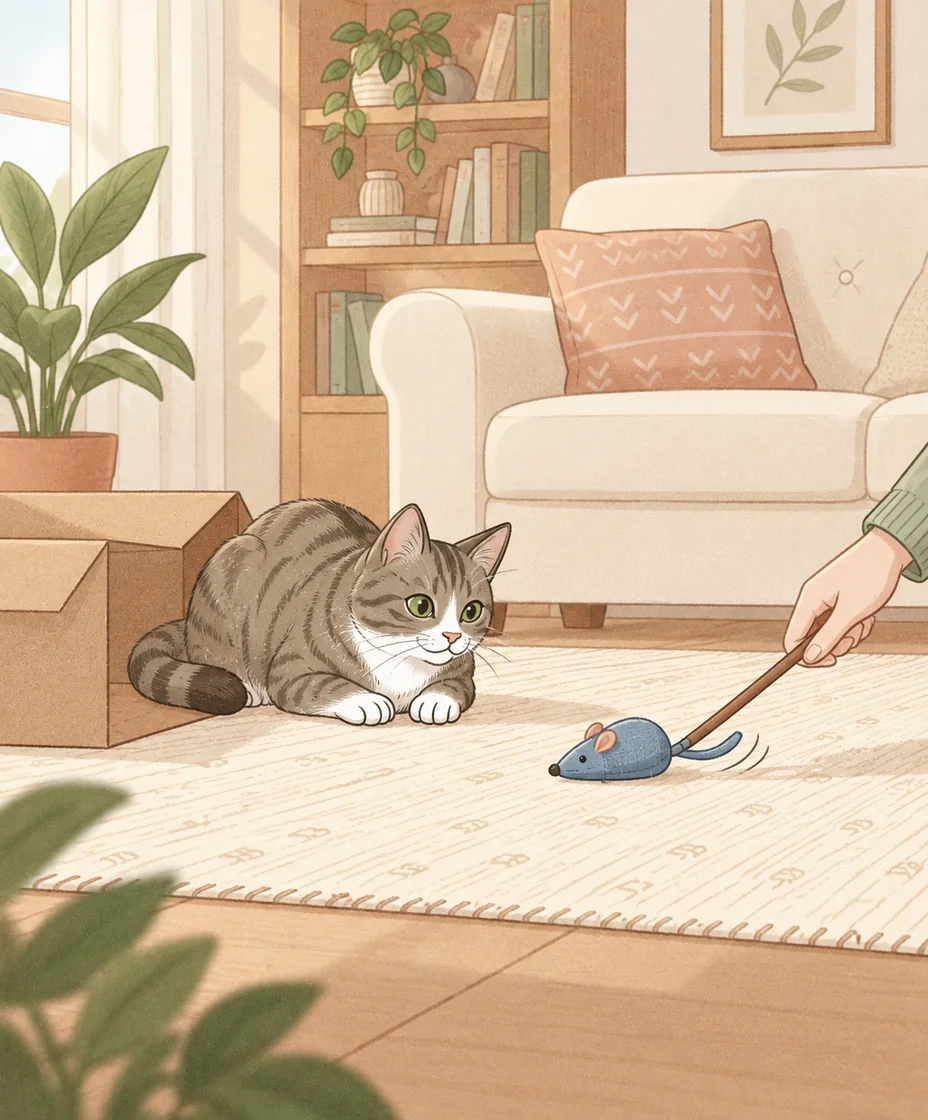
A happier home · 4 min read
Cat ignores toys? Change the play invitation
If your cat ignores toys, try a quieter setup and a smaller movement before buying more. Learn what to observe and when lost interest needs veterinary advice.
Read the guide
A happier home · 4 min read
Cat peeing outside the litter box? Plan the next step
When litter-box accidents keep happening, organize the history, check access and agree a follow-up plan with your vet. Know which urinary signs need urgent help.
Read the guide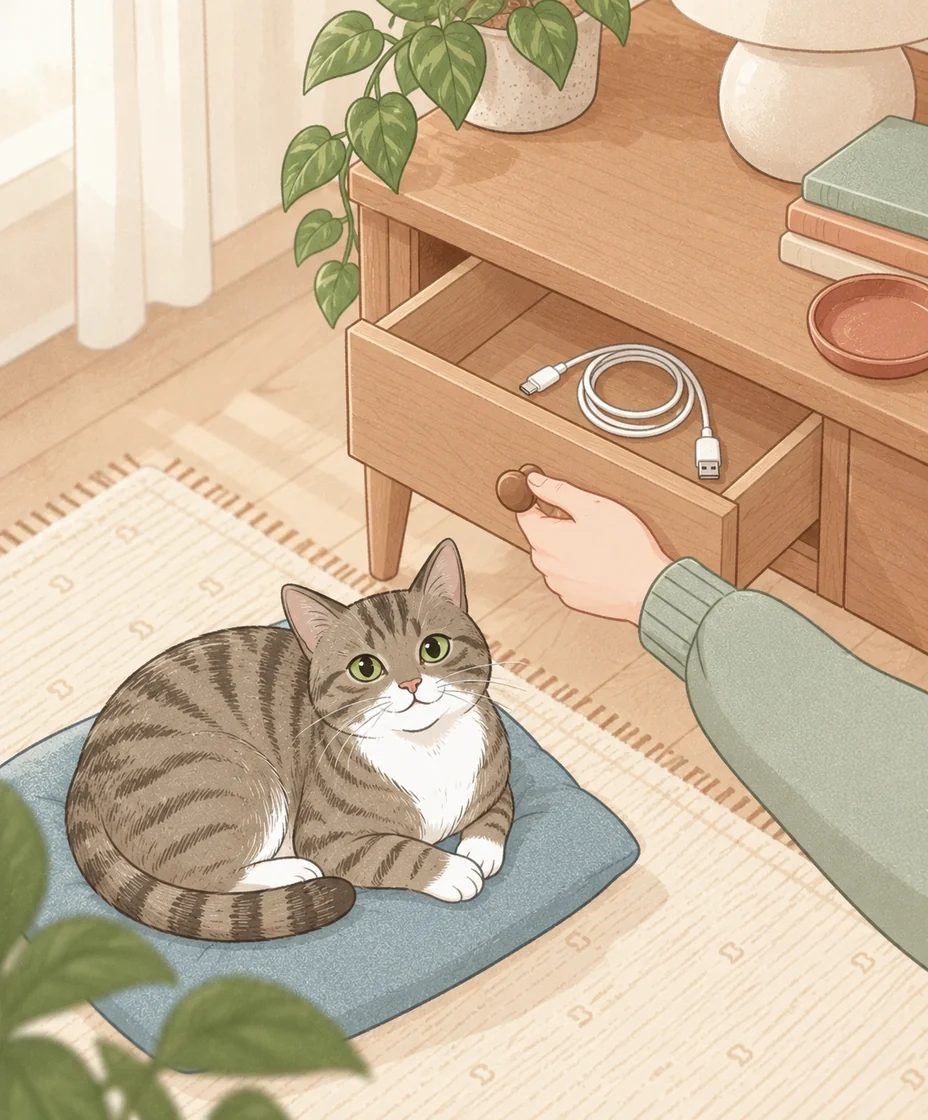
A happier home · 4 min read
Cat chewing cords? Start by changing access
Make a room-by-room plan for a cat chewing cables: put unused cords away, block access to equipment, and know when chewing or possible injury needs veterinary help.
Read the guide
A happier home · 4 min read
Cat scared of an automatic feeder? Start with the bowl
Help a cat who avoids a new automatic feeder. Protect normal meals, check the device’s training settings, and separate equipment problems from discomfort.
Read the guide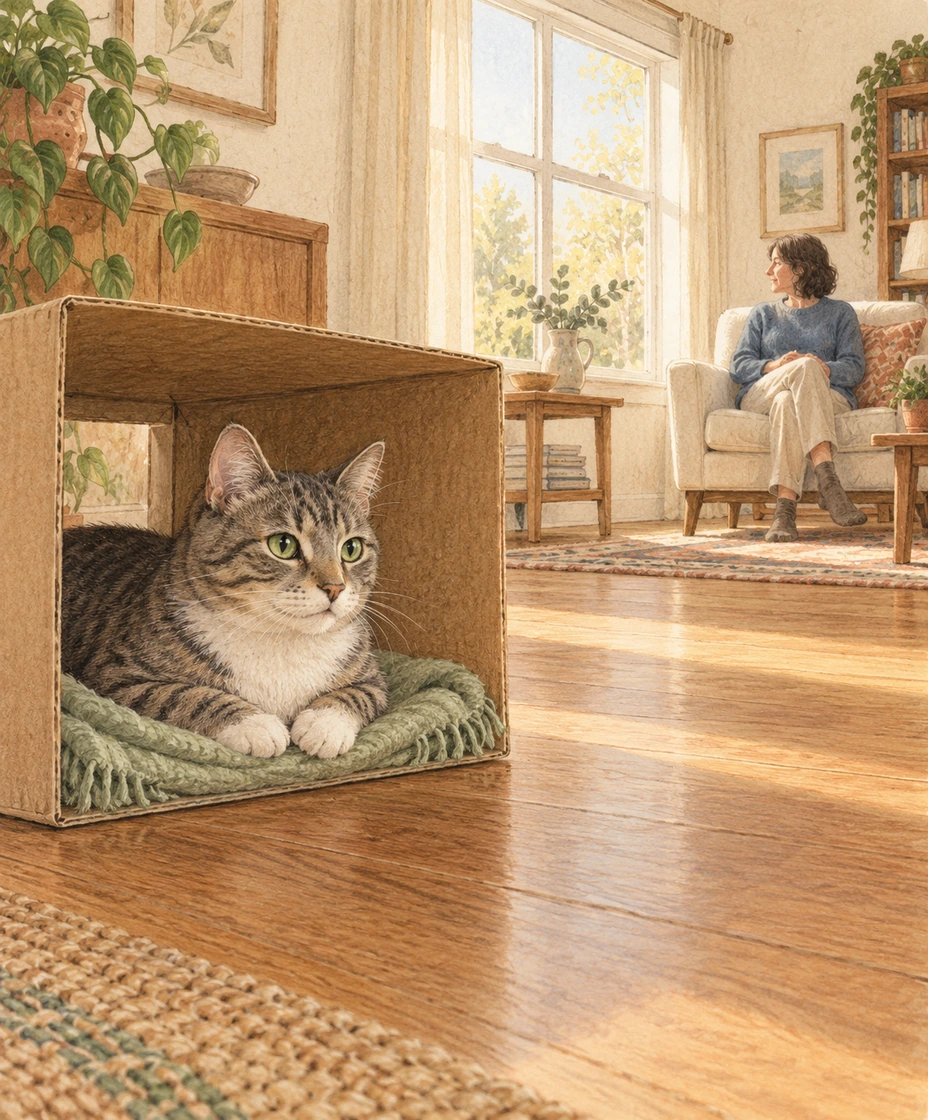
A happier home · 5 min read
Help your cat feel safe when visitors arrive
Prepare a quiet retreat, give guests a simple greeting plan, and recognize when a cat’s fear of visitors needs individual veterinary or behavior support.
Read the guide
Calmer care · 5 min read
Help your cat get used to car journeys
Prepare for cat car travel in separate stages: a parked vehicle, engine sound and a short journey. Keep the carrier secure and know when to seek veterinary help.
Read the guide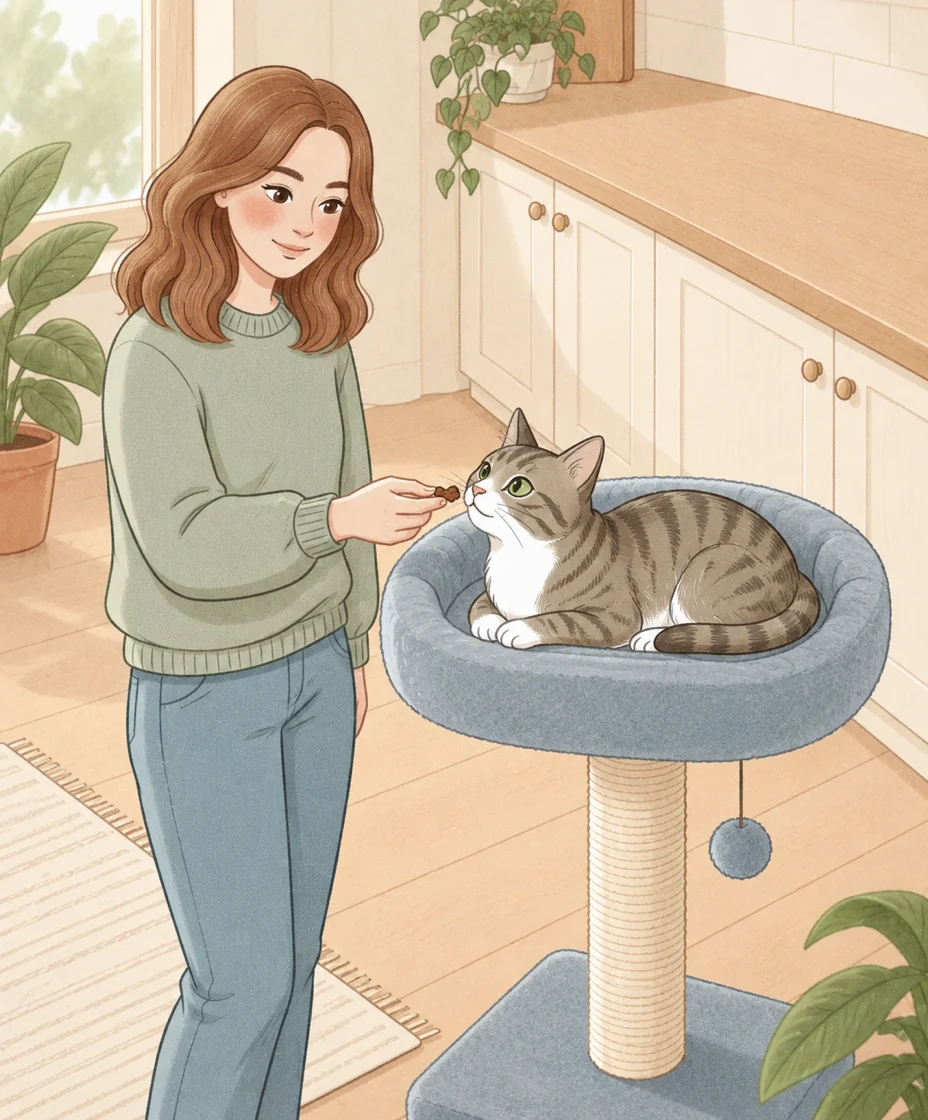
A happier home · 5 min read
Cat counter surfing: plan for a safer kitchen
Reduce cat counter surfing with safer kitchen access, fewer food rewards on worktops and a comfortable alternative perch. Practice before you start cooking.
Read the guide
A happier home · 4 min read
Cat bites during petting? Know when to pause
Make petting easier to leave, notice changes before a bite, and distinguish touch preferences from behavior that needs veterinary assessment.
Read the guide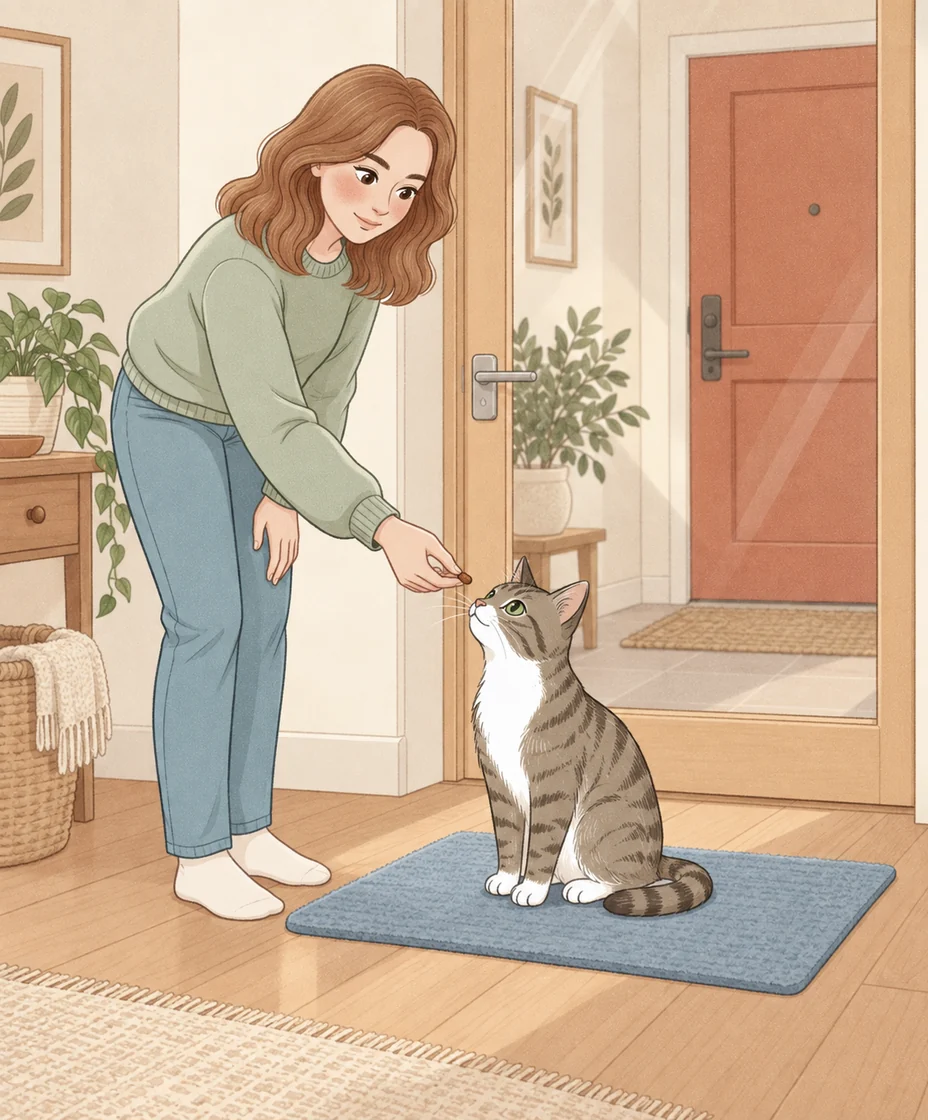
A happier home · 5 min read
Cat door dashing: a safer way to come and go
Help prevent your cat from running out the door. Plan a second barrier, a waiting spot, small practice steps, and a household routine for arrivals and deliveries.
Read the guide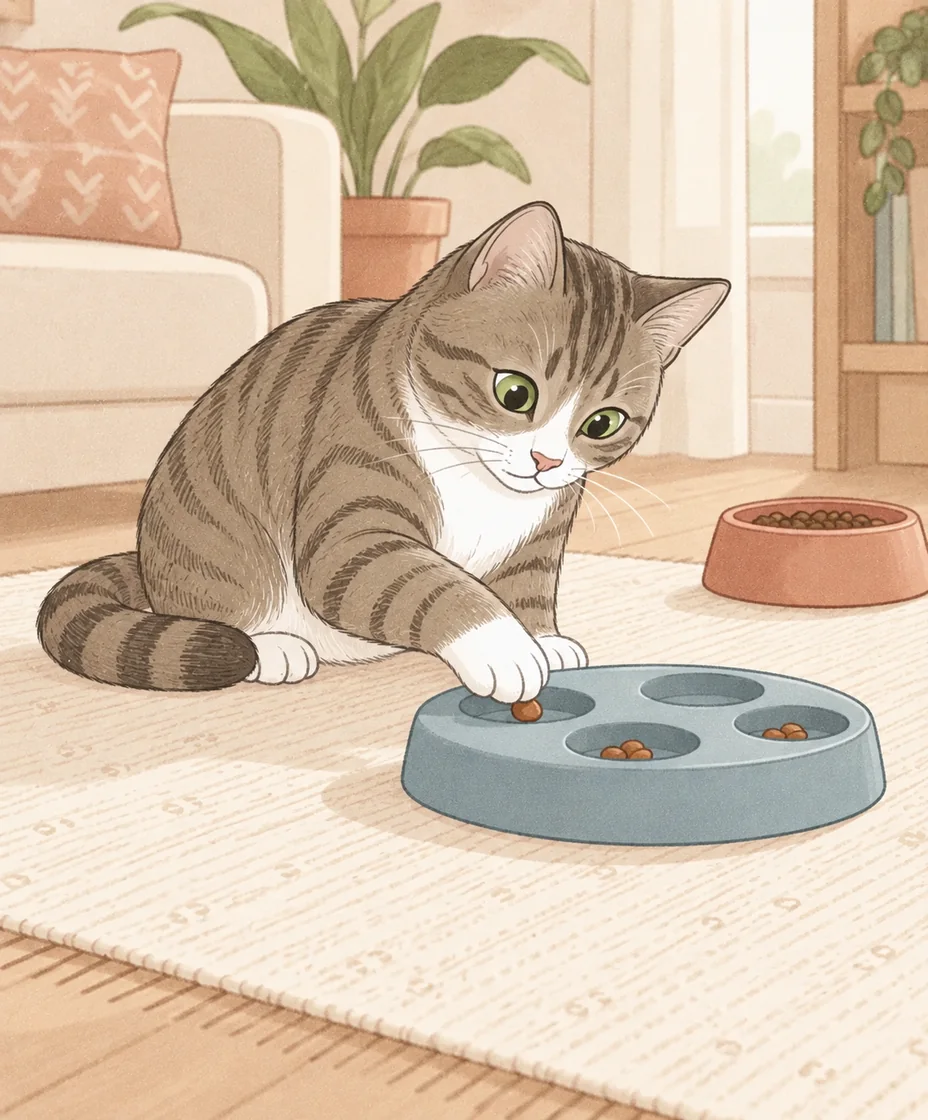
Everyday behavior · 5 min read
How to introduce a food puzzle to your cat
Cat ignoring a puzzle feeder? Start with visible, easy-to-reach food, keep ordinary meals accessible, and adjust one part of the puzzle at a time.
Read the guide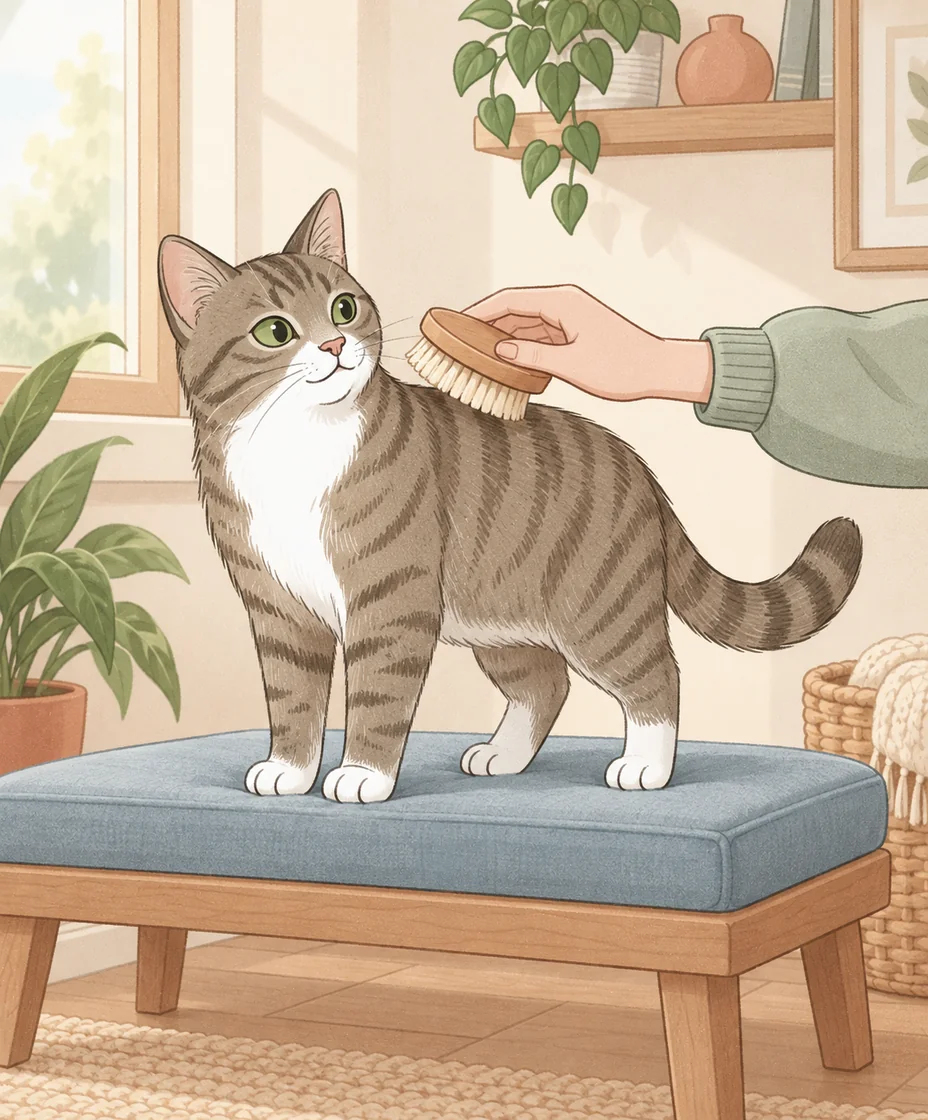
Calmer care · 5 min read
Help your cat get comfortable with brushing
Introduce a grooming brush without restraint: start with the tool nearby, build toward one gentle stroke, and know when mats or discomfort need veterinary help.
Read the guide
A happier home · 6 min read
Introducing cats: when to slow down
Introducing a new cat? Learn when to pause, how to return to an easier stage, and what to record for each cat before trying more time together.
Read the guide
A happier home · 5 min read
Cat waking you at 4 a.m.? Plan the evening first
Build a practical routine for early cat wake-ups: plan play and meals, check the overnight setup, and know when meowing needs veterinary attention.
Read the guide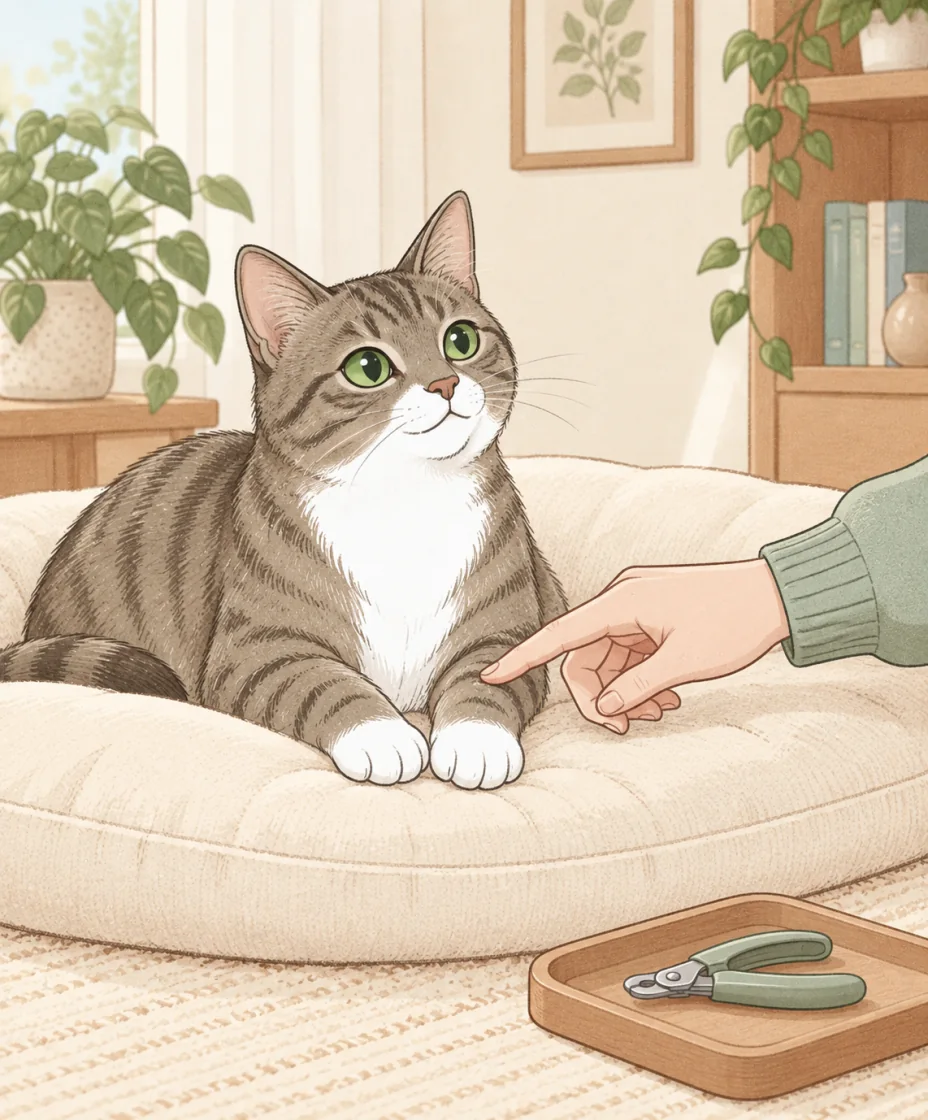
Calmer care · 5 min read
Cat won’t let you touch their paws? Start before the nail trim
Prepare a comfortable cat for nail care with brief touches, clear pauses and a separate introduction to clippers. Learn when to stop and ask your vet.
Read the guide
Everyday skills · 5 min read
Cat on your keyboard? Teach a nearby mat
Teach your cat to choose a mat beside your desk: choose a comfortable spot, reward voluntary steps, and build up to short stretches of typing.
Read the guide
Everyday skills · 4 min read
Training older cats: small skills, comfortable movement
Older cats can learn. Adapt a small training activity around comfortable movement, familiar rewards and clear observations, with guidance on changes that need a vet.
Read the guide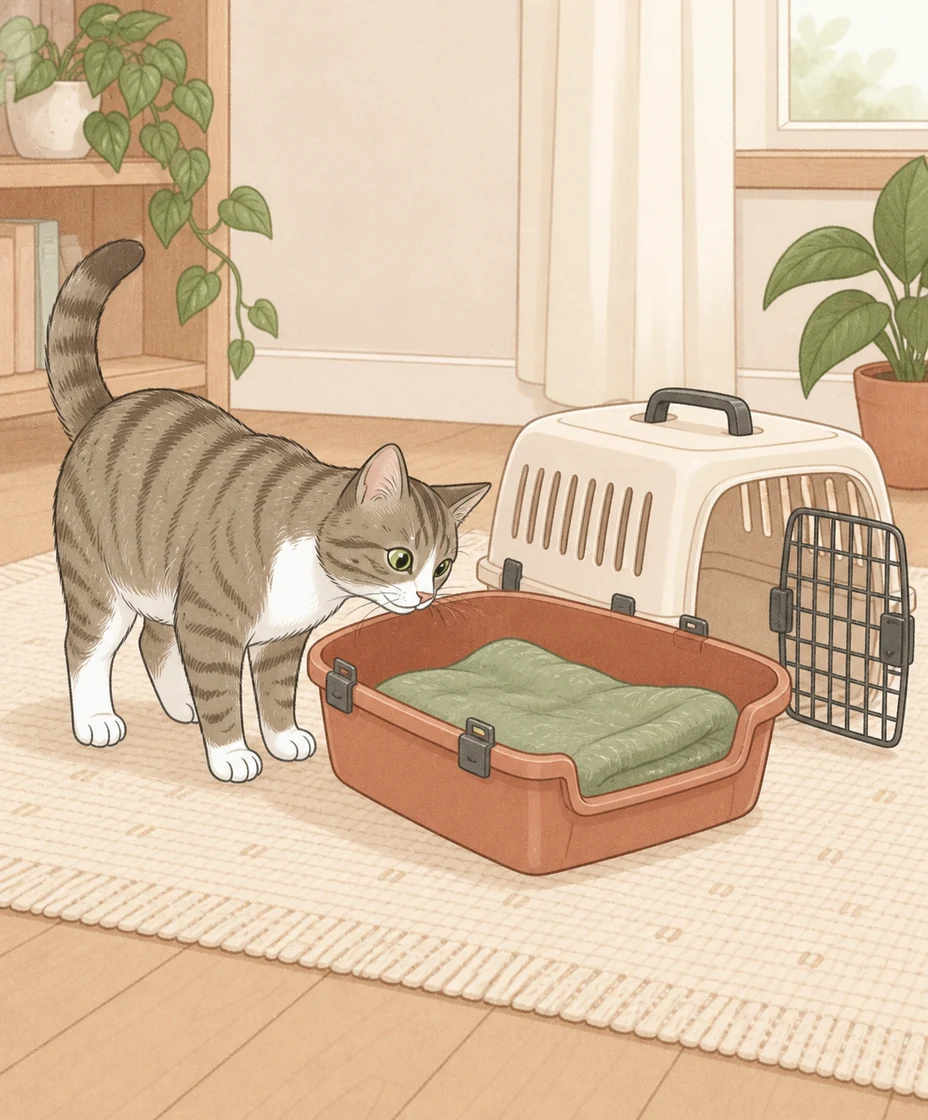
Calmer care · 5 min read
Choosing a cat carrier for training and vet visits
Compare carrier openings, removable tops, fit and fastenings. A practical buying checklist to use before starting voluntary carrier training.
Read the guide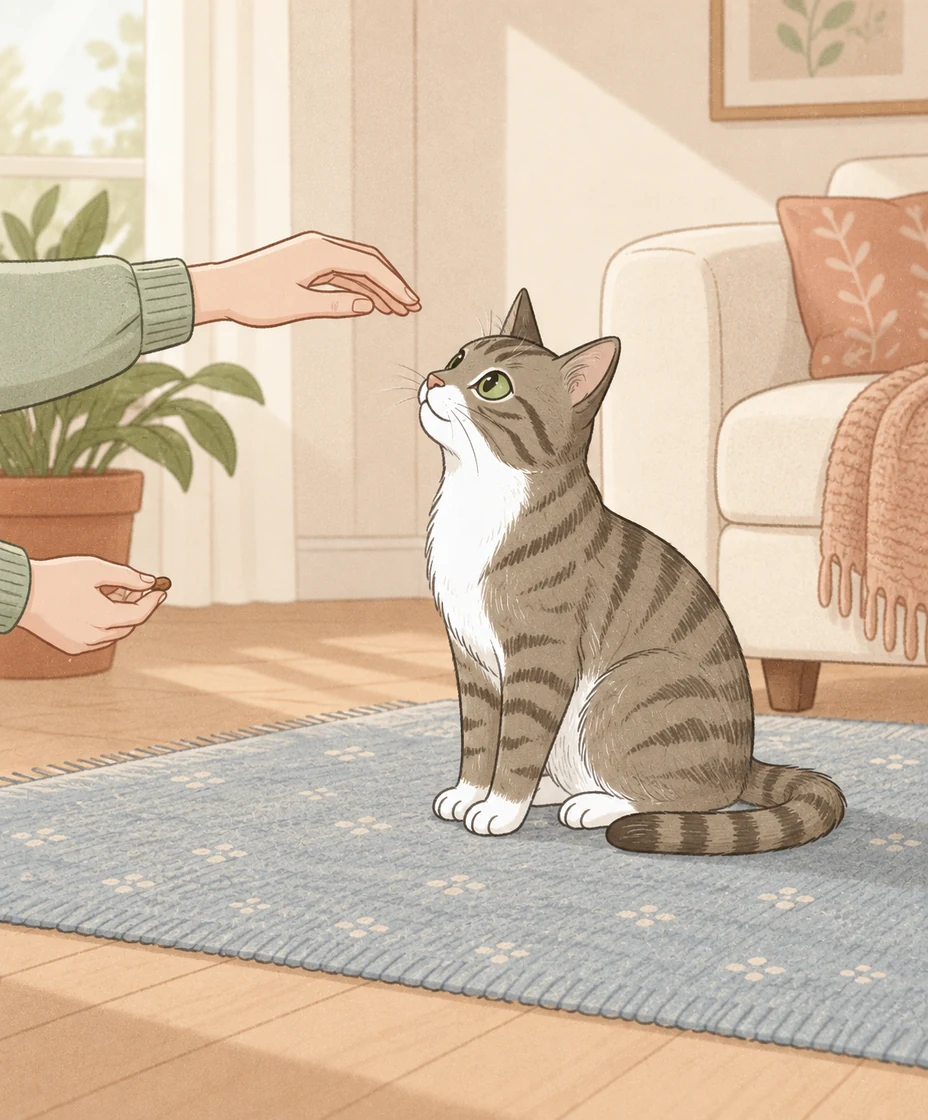
Everyday skills · 5 min read
How to teach your cat to sit, then add a cue
Teach a voluntary sit with a small lure, turn the movement into an empty-hand signal, and add a spoken cue. Includes a practical troubleshooting table.
Read the guide
Choosing your tools · 5 min read
Cat training apps for beginners: four options compared
Compare Pounce, Click Crusade, MyPurrin and Cat Training Clicker by lesson format, useful features and access model. Choose an iPhone app for your training goal.
Read the guide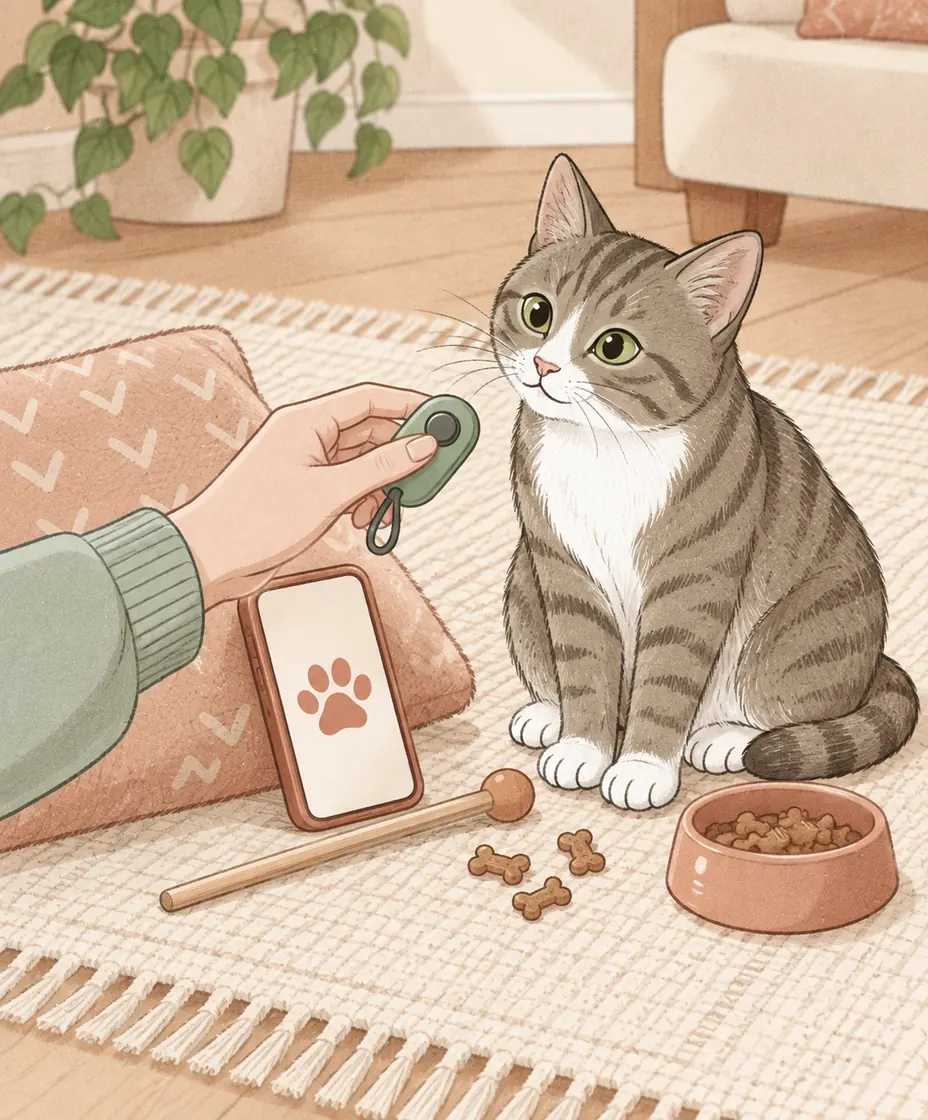
Choosing your tools · 4 min read
Choosing the best clicker for your cat
Compare a handheld clicker, a clicker and target kit, a phone app and a verbal marker. Choose for comfortable sound, clear timing and easy reward delivery.
Read the guide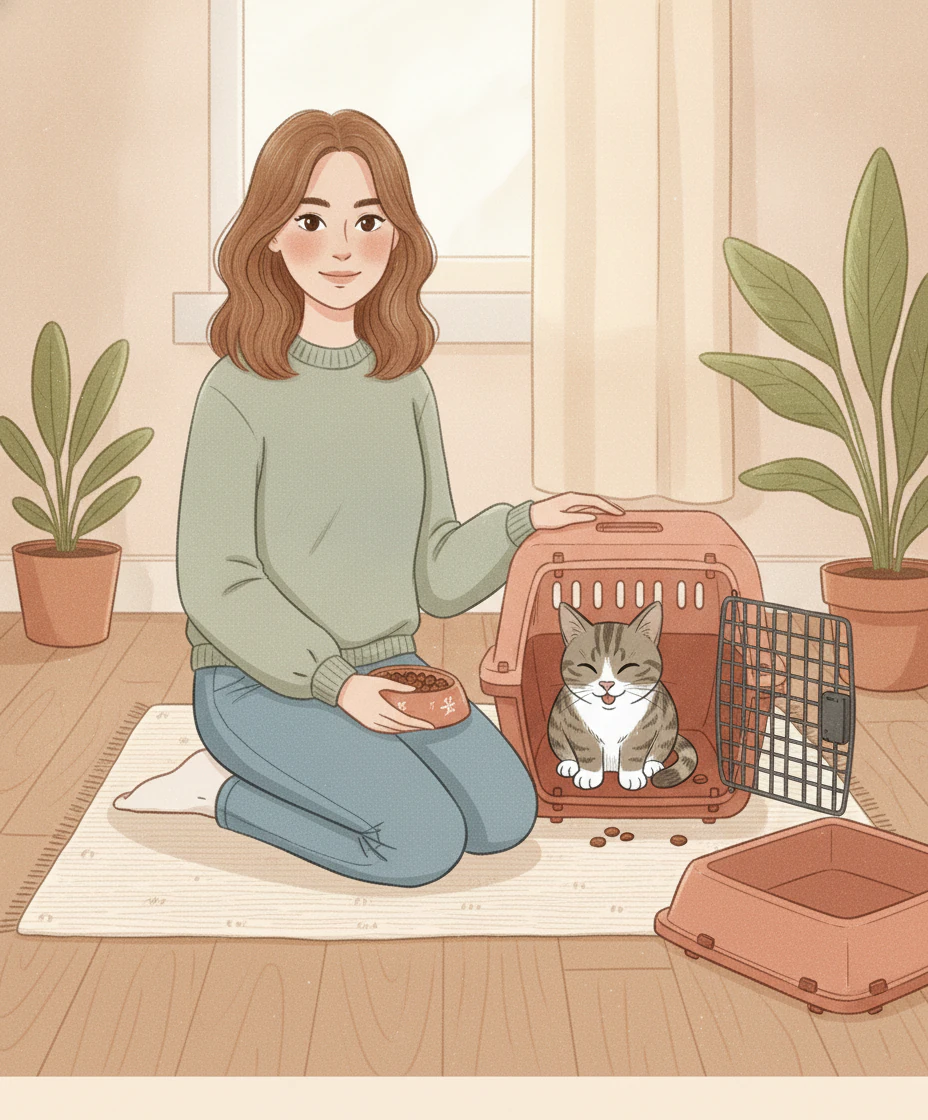
Calmer care · 5 min read
Make the carrier a place your cat chooses
A gentle cat carrier training plan: start with an open base, reward voluntary entry, and introduce the roof, door, and movement at your cat’s pace.
Read the guide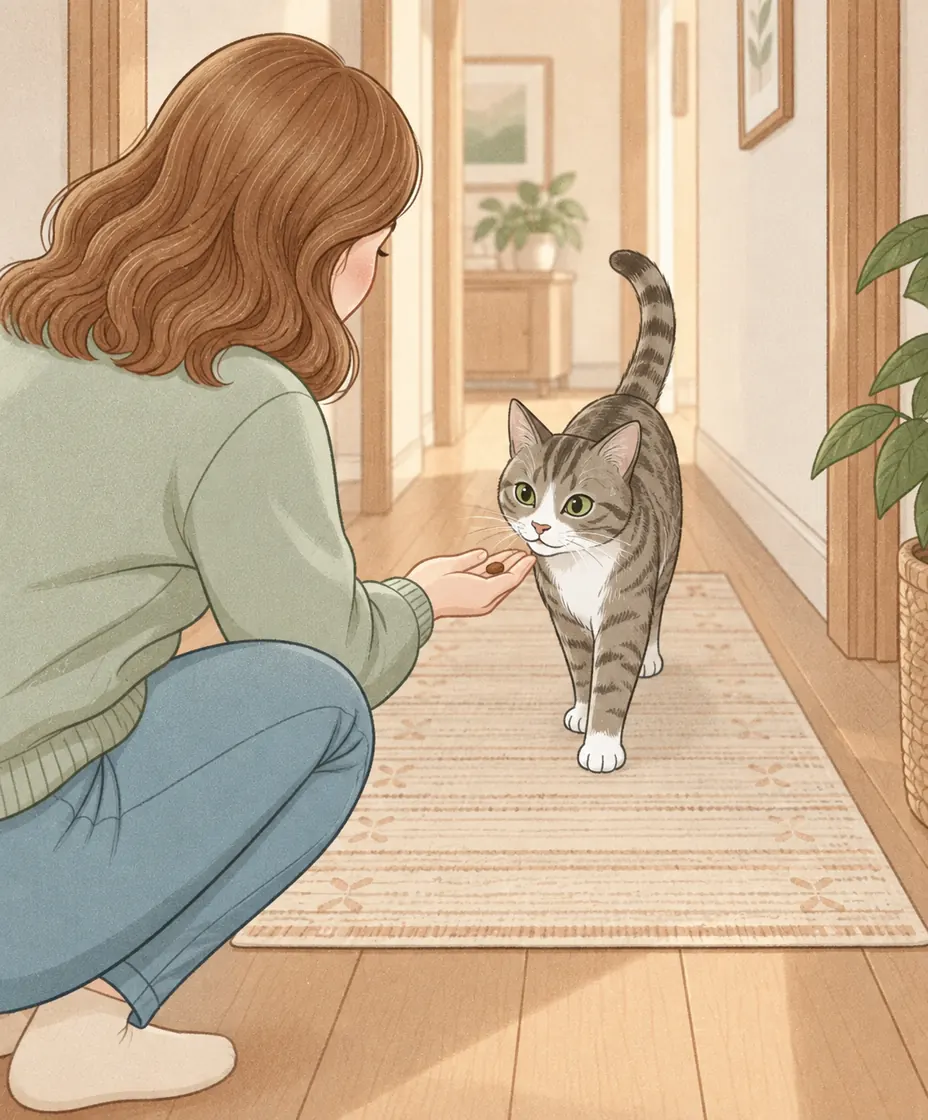
Everyday skills · 5 min read
How to teach your cat to come when called indoors
Build indoor recall from a small head turn to a short walk toward you. A clear cue, a worthwhile reward, and a plan for missed attempts.
Read the guide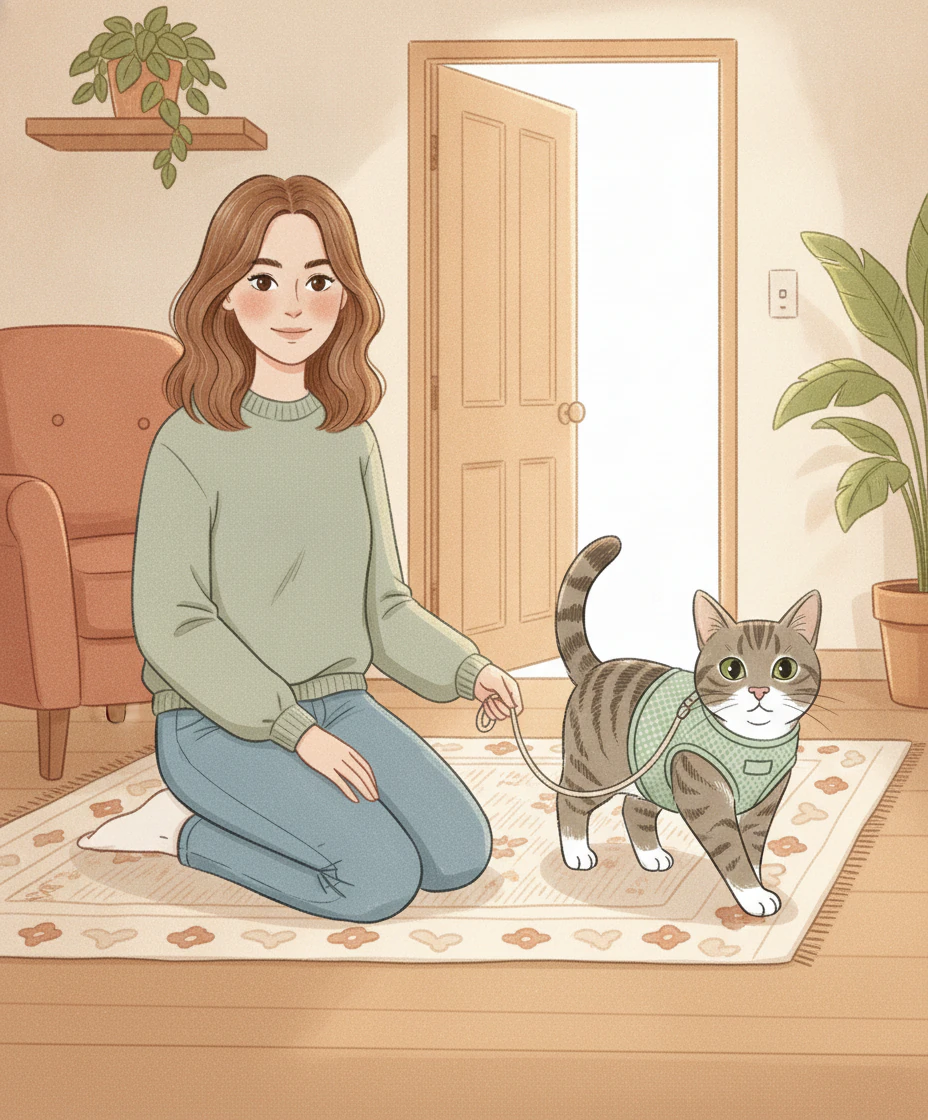
Little adventures · 5 min read
Cat harness training starts in the living room
Introduce a harness in small, comfortable stages before considering a walk. Learn when to progress, pause, or choose indoor enrichment instead.
Read the guide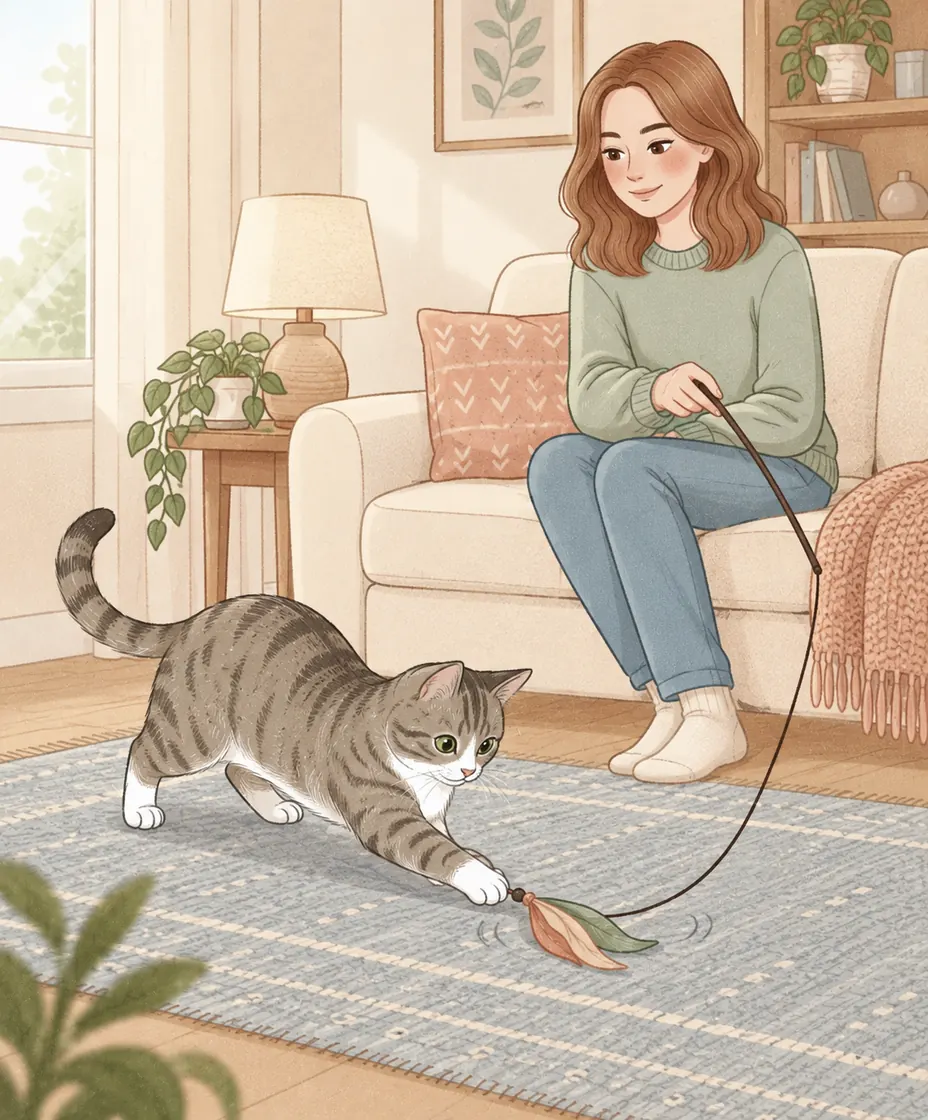
A happier home · 5 min read
When play turns into biting: change the game
Give playful teeth a better outlet with toys, predictable play, and calmer endings. Learn how to observe the pattern and when biting needs individual help.
Read the guide
A happier home · 5 min read
Help your cat choose the scratching post
Make a scratching post a better option with the right location, surface, stability, and reward timing. A practical plan for the sofa-side scratcher.
Read the guide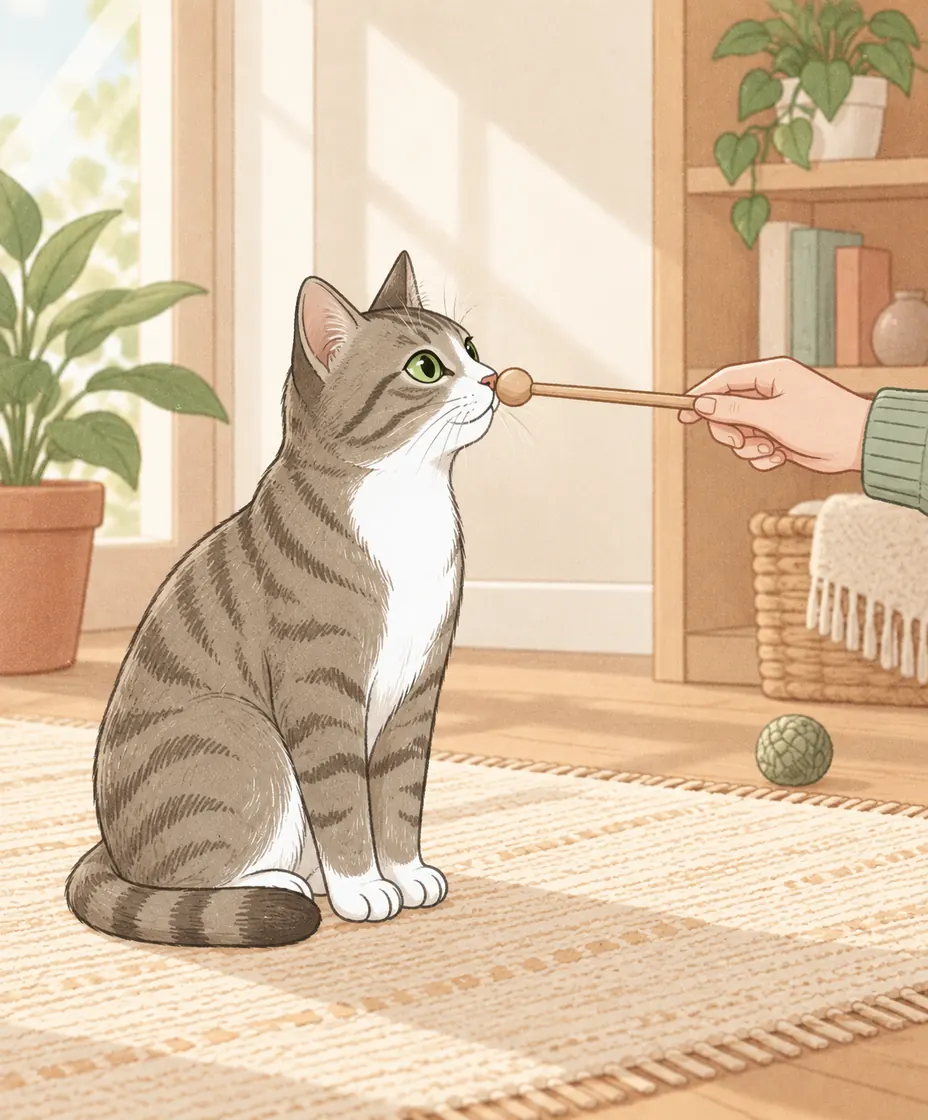
Training foundations · 5 min read
Cat target training: teach a gentle nose touch
Turn a voluntary nose touch into a useful training skill. Learn what to mark, how to add one step, and what to change when your cat paws at the target.
Read the guide
Finding your approach · 5 min read
Cat training app, videos, or a trainer: which do you need?
Choose between a guided cat training app, free learning resources, and individual help. A candid decision guide from the team behind Pounce.
Read the guide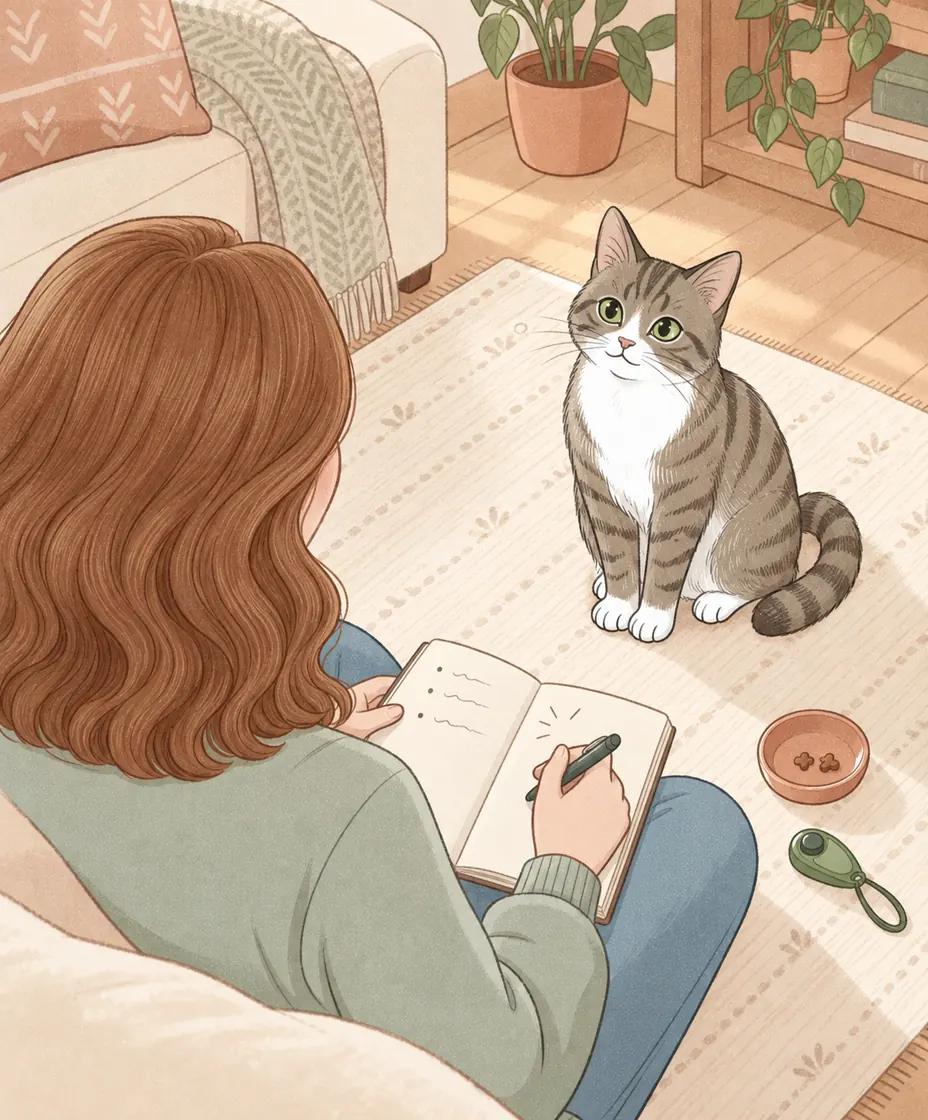
The evidence · 7 min read
Can cats be trained? What the research actually shows
What feline learning studies show, and what they cannot prove: trained actions, name recognition, kitten classes and the limits of clicker comparisons.
Read the guide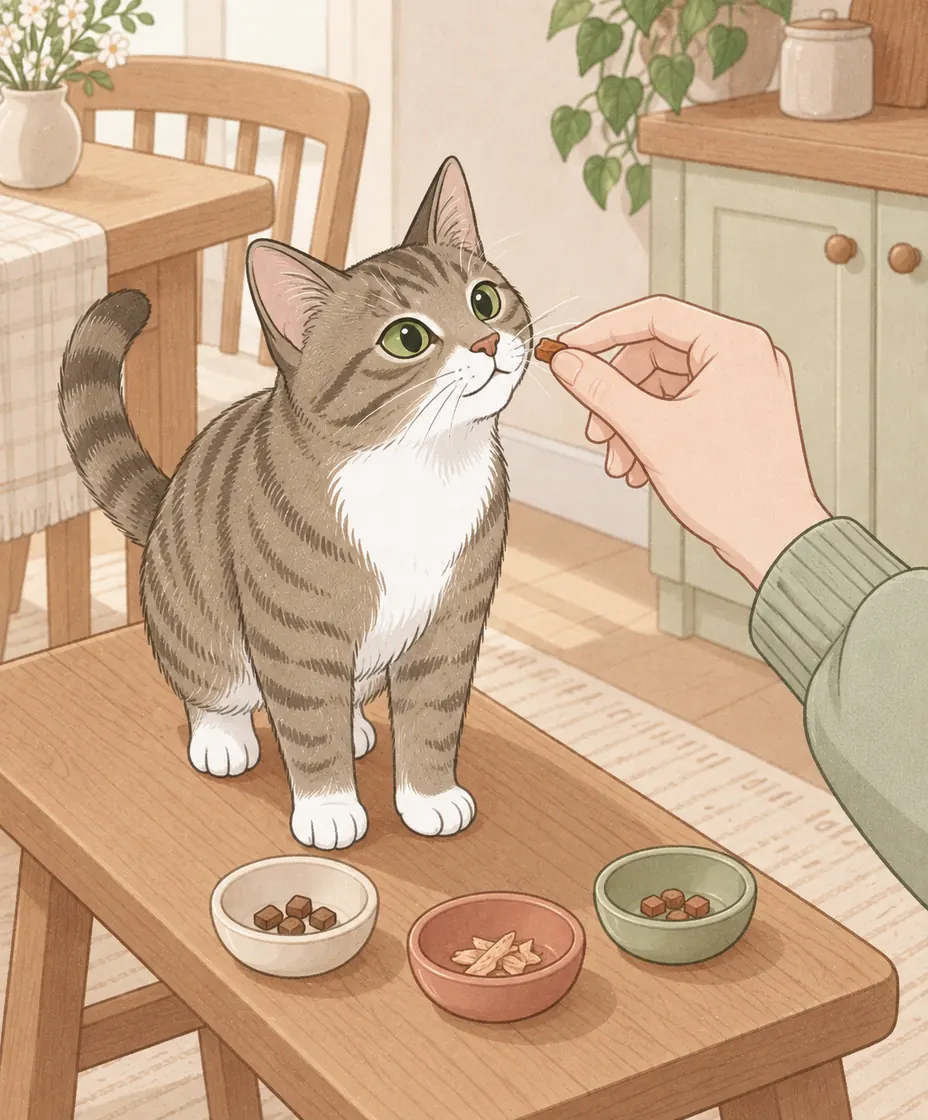
Training foundations · 5 min read
Choosing the best treats and rewards for cat training
Compare regular food, small cat treats, lickable rewards and play. Choose something your cat wants, prepare easy delivery and keep dietary needs in mind.
Read the guide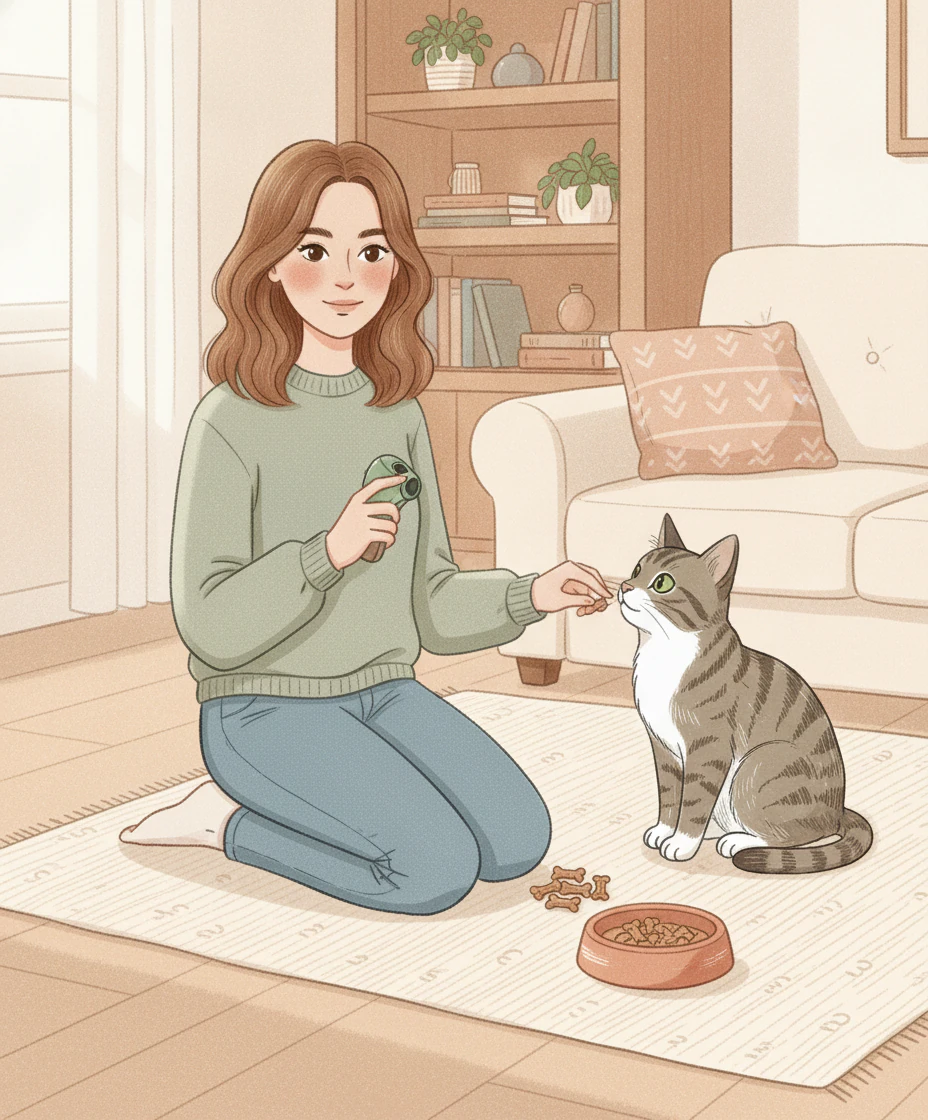
Start here · 5 min read
Cat clicker training: your first five minutes
Learn how to introduce a clicker to your cat, choose a reward, time the click, and recognize when to stop. A practical first session from Pounce.
Read the guide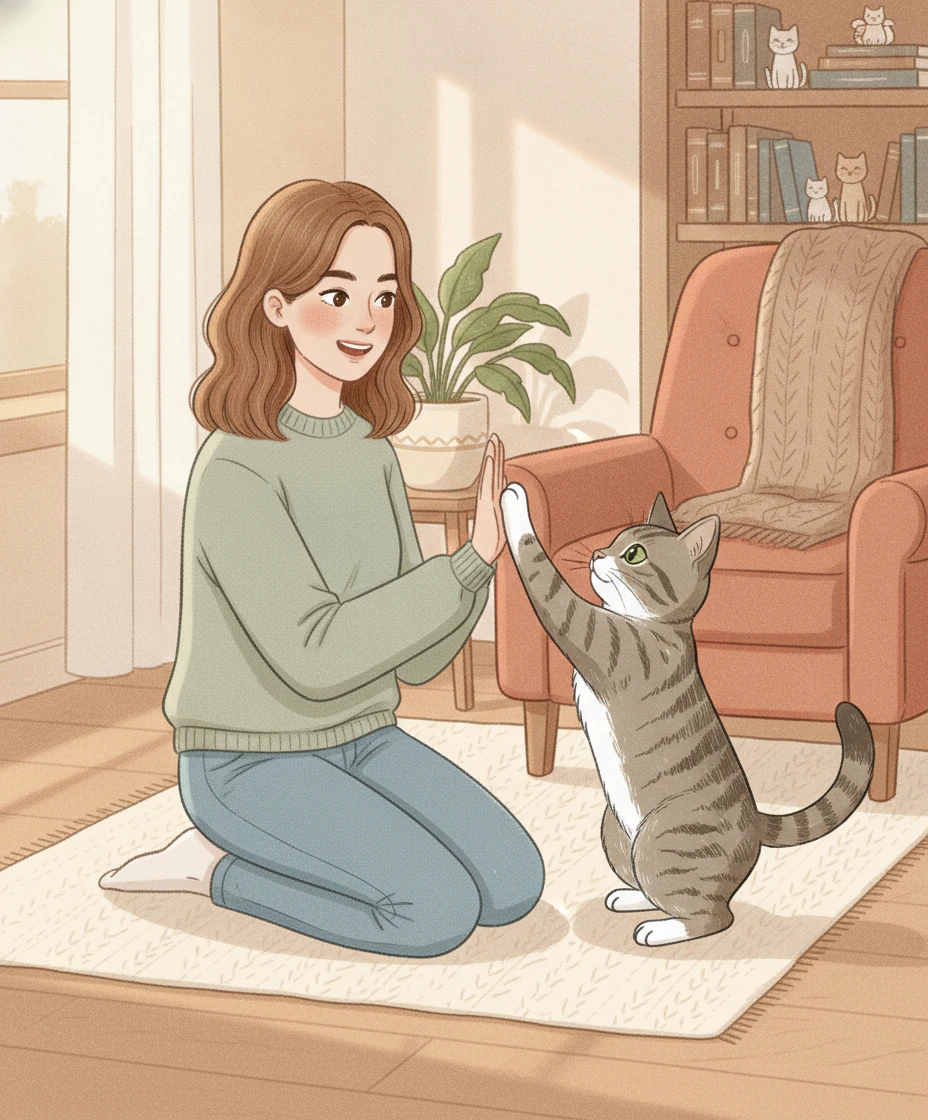
Tricks & life skills · 5 min read
How to teach your cat to high five
Teach a cat to high five by rewarding a voluntary paw lift, building a gentle palm touch, and adding a cue. Includes common mistakes and when to pause.
Read the guide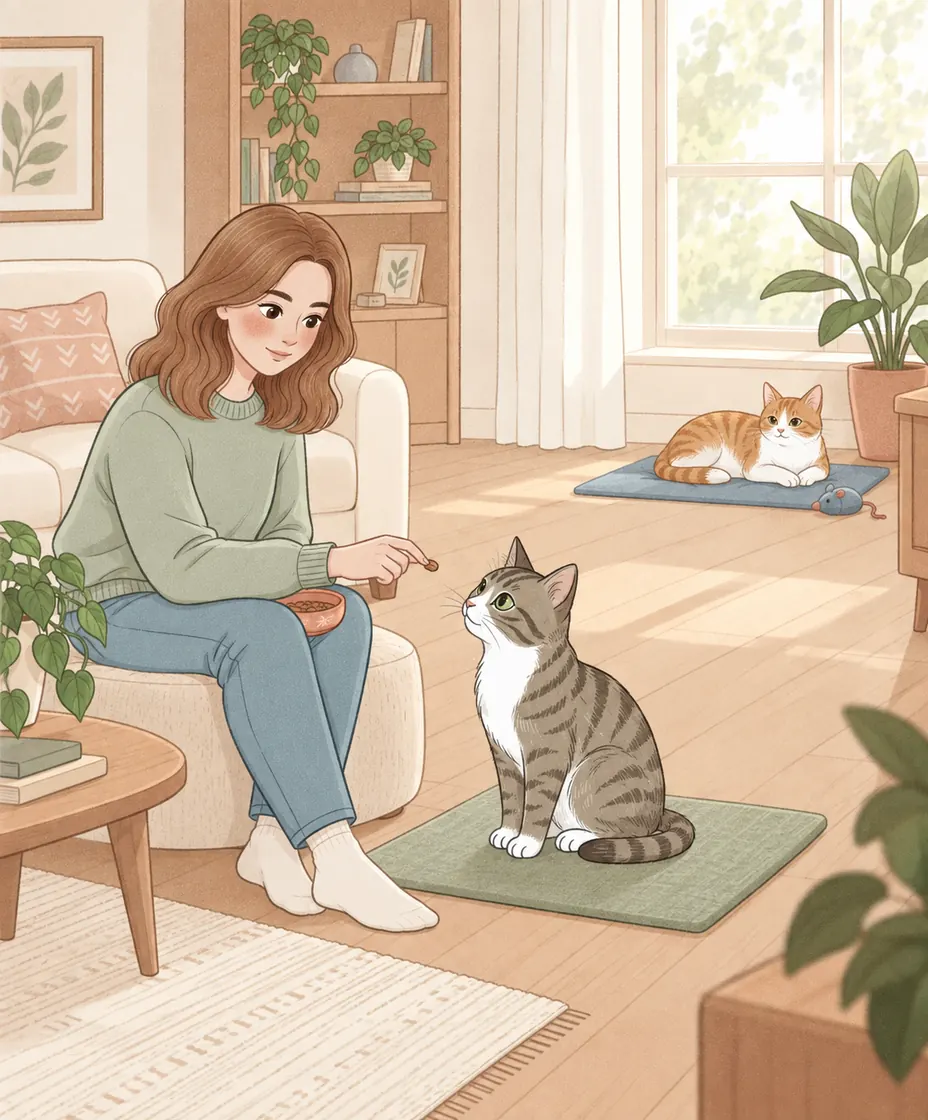
Training foundations · 5 min read
Can you clicker train two cats? Start with separate turns
Make rewards, markers, and practice space clearer in a two-cat home. A simple separate-session setup before considering shared training.
Read the guideWritten by the Pounce editorial team, with training sequences drawn from our curriculum and references linked in each guide. Read our editorial approach.